Coaching Courses
12 Courses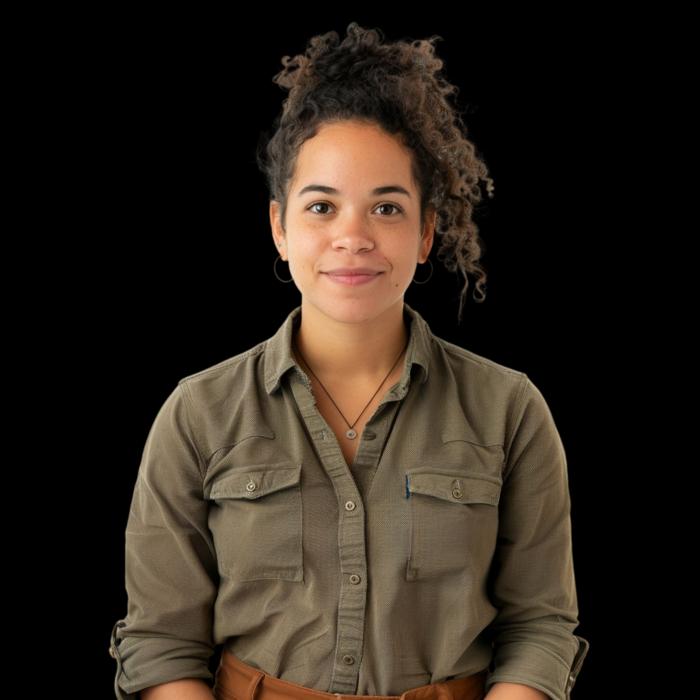

Coaching lets you help people become the best version of themselves. That could be on the sports field, in the boardroom, or through a big life change. It’s hands-on, people-focused work, and no two days look quite the same.
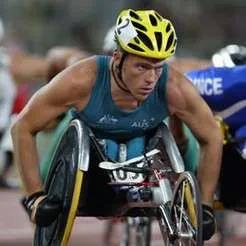
Jobs and Skills Australia’s 2025 data shows around 66,400 people work as sports coaches, instructors, and officials. Their median age is just 21, which makes coaching a genuinely easy field to break into. It suits you whether you’re just starting out or still working out your long-term path.
A Certificate IV in Workplace and Business Coaching is a popular starting point if life or business coaching appeals more than sport. You’ll learn the core coaching conversation skills, plus the ethics and boundaries every good coach needs.
Whichever path you choose, coaching helps you build real skills in talk and leadership while you help others grow. That mix is what keeps so many coaches in the field for the long haul.
FAQs
What is a coaching course?
A coaching course teaches you how to support other people to reach their personal or professional goals. You’ll learn to ask the right questions, help set action plans, and communicate in ways that build trust and motivation.
Do I need experience to study coaching?
No. Entry-level coaching courses are designed for people with no background in psychology or training. Whether you want to become a life coach or boost your leadership skills, you can start with no prior experience.
Can I become a coach without a degree?
Yes. Many successful coaches hold Certificate IV or diploma-level qualifications instead of a degree. What matters most is your ability to apply coaching frameworks and build trust with clients or team members.
How long does a coaching course take?
Courses range from short skill sets that take a few weeks, up to diplomas that run six to twelve months. Many providers offer flexible online study, so you can learn at your own pace.
What types of coaching can I specialise in?
You could focus on life coaching, career coaching, executive coaching, health and wellness, or even parenting coaching. A Diploma of Sport Coaching is a strong option if sport is more your scene.
Do I need a licence to become a coach in Australia?
No formal licence is required, but a nationally recognised qualification boosts your credibility and client trust. Training providers must meet standards set by ASQA, Australia’s vocational education regulator.