How to Become A Beauty Therapist Assistant
1 Courses
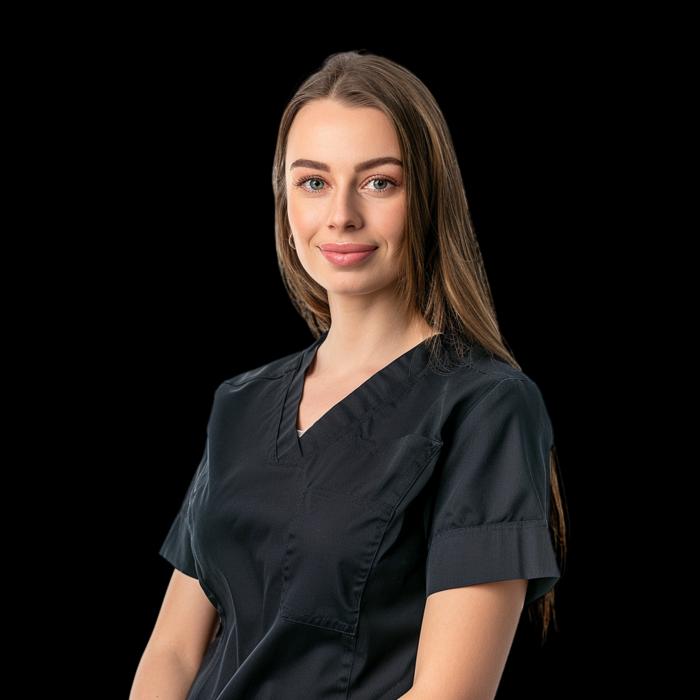



A Beauty Therapist Assistant helps qualified therapists deliver great client experiences in salons and day spas. It is a hands-on entry-level role where you learn the trade from the ground up. If you love beauty and enjoy making people feel good, this is a great place to start.
You will set up treatment rooms and welcome clients each day. You will also help therapists during services like facials, waxing, and manicures. You may handle bookings, manage stock, and give clients basic skin care advice.
Many assistants study a Certificate III in Beauty Services (SHB30121) while working. This builds skills that lead to a full beauty therapist role. The beauty industry is growing fast, with over 44,300 employed therapists nationwide (Jobs and Skills Australia). Getting in at the assistant level is a smart move.
The role suits all ages and backgrounds. You do not need years of experience to start. Employers mainly look for a positive attitude, a love of beauty, and a will to learn.

Career Outlook for Beauty Therapist Assistant
A Beauty Therapist Assistant is a great way to break into the Australian beauty industry. Most assistants are in their 20s to early 30s, and the role suits full-time and part-time workers alike. Hours are flexible, with many roles offering evening and weekend shifts to fit around study.
The beauty workforce in Australia numbers around 44,300 (Jobs and Skills Australia). About 2,500 new workers join each year. The role was added to the Core Skills Occupation List in December 2024. This signals strong ongoing demand. The part-time share is 53%, so casual and part-time roles are common across salons and spas.
Entry-level pay starts at around $52,000 per year (Hair and Beauty Industry Award MA000005, Fair Work Ombudsman, 2025). With more experience and study, assistants move into qualified therapist roles earning $58,000 or more. The beauty industry keeps growing as demand for self-care stays high.
About the author

Laura Atkinson is an Account Management and SEM specialist at Course Finder Group with six years' experience in the Australian education sector. She works day to day with universities, TAFEs and independent training providers, which gives her a close view of how courses map to real career outcomes. She writes practical guidance on career pathways, choosing the right qualification and what to expect when moving into a new field.