How to Become A Digital Forensic Investigator
2 Courses
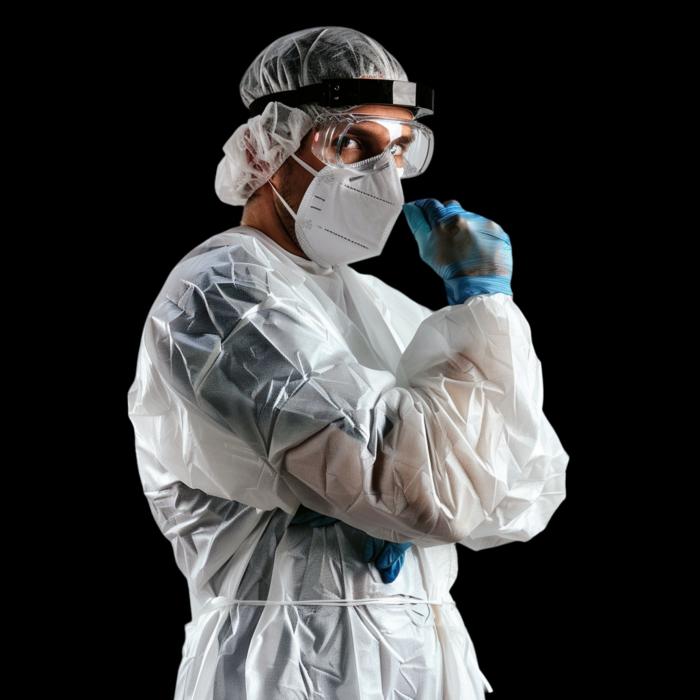


A Digital Forensic Investigator uncovers digital evidence from computers, phones, and networks to help solve crimes and cyber security incidents. It is one of Australia’s most in-demand tech careers. If you love puzzles, technology, and helping bring people to justice, this career is for you.
Investigators recover deleted files, trace online activity, and map out what happened on a device. They use specialised software to dig deep into data. Every step must be documented carefully so the evidence stands up in court.
It is not just a technical job. You will write reports and may testify in court as an expert witness. You need to explain complex findings in simple terms so lawyers, judges, and juries can follow along.
The career is booming. Cybercrime in Australia hit a record high in 2024-25. The Australian Signals Directorate took over 42,500 calls to the national Cyber Security Hotline that year. More cases mean more work for digital forensic investigators.


Career Outlook for Digital Forensic Investigator
Digital forensics is one of Australia’s fastest-growing tech careers. Cybercrime is rising sharply. The ASD’s Annual Cyber Threat Report 2024-25 recorded over 42,500 calls to the national Cyber Security Hotline. That was a 16% increase year on year. This growth means more work for qualified investigators.
The cyber security sector grew by around 3,300 people between August 2024 and August 2025 (recent Australian data). Most roles are full-time and permanent. Standard hours are around 38 to 40 per week. High-priority cases may need extra hours. Investigators work in law enforcement, government, consulting firms, and large corporates. The average age in the field is in the mid-30s. Unemployment is low, and pay is set to grow by around 14% over five years (SalaryExpert, 2026).
About the author

Laura Atkinson is an Account Management and SEM specialist at Course Finder Group with six years' experience in the Australian education sector. She works day to day with universities, TAFEs and independent training providers, which gives her a close view of how courses map to real career outcomes. She writes practical guidance on career pathways, choosing the right qualification and what to expect when moving into a new field.



.webp&w=32&q=75)