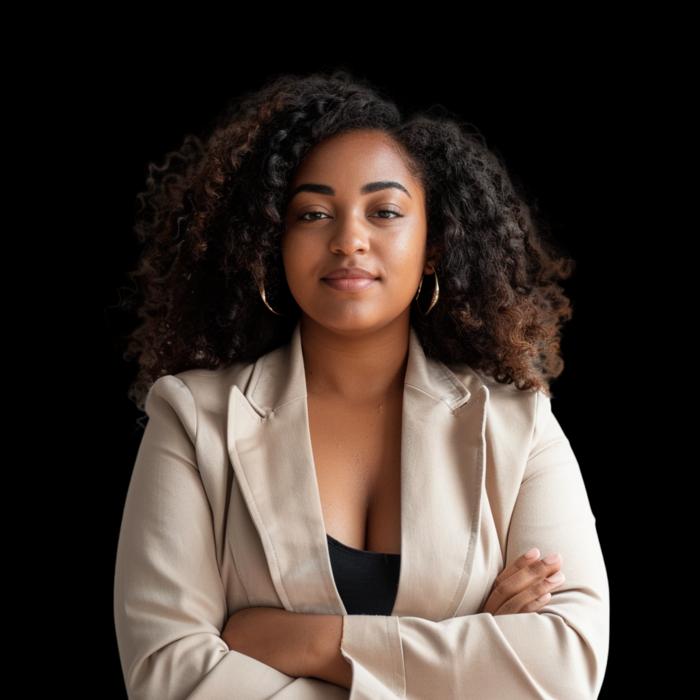
How to Become A Human Resources Director
5 Courses





A Human Resources Director is the top HR leader in a business. Their job is to make sure the whole HR function runs well and supports the company. They lead a team of HR managers and specialists across hiring, training, pay, safety, and culture. If you love working with people and thinking big, this role could be for you.
Day to day, an HR Director sits in the leadership team and advises the CEO. They decide how the company hires, trains, and keeps its staff. They also set policies around pay, leave, and workplace behaviour. When there are disputes or changes, they guide everyone through them.
You’ll need solid HR experience to land this role. Most start as HR generalists or managers before moving up. A degree in business or HR is usually the starting point. Many also earn the CPHR credential through the Australian HR Institute (AHRI).
This career pays well and offers real influence. HR Directors typically earn between $165,000 and $185,000 a year (Seek, June 2026). The role can lead to Chief People Officer and senior executive positions. It’s a top career for anyone who wants to shape how a workplace runs.


Career Outlook for Human Resources Director
An HR Director career is well respected and in demand across Australian business. The HR field employs around 84,700 people in Australia (Jobs and Skills Australia, 2025). Women make up 73% of the workforce, and the median age for HR workers is 38 years. Most HR Director roles are full-time, with most working 41 or more hours per week.
Pay at director level is strong. HR Directors in Australia earn between $165,000 and $185,000 a year on average (Seek, June 2026). Top earners at large companies can make well above this. The role can lead to Chief People Officer and other top executive jobs. As businesses grow and workforce issues get more complex, good HR Directors will stay in demand.
About the author

Laura Atkinson is an Account Management and SEM specialist at Course Finder Group with six years' experience in the Australian education sector. She works day to day with universities, TAFEs and independent training providers, which gives her a close view of how courses map to real career outcomes. She writes practical guidance on career pathways, choosing the right qualification and what to expect when moving into a new field.