How to Become A Massage Therapist
1 Courses
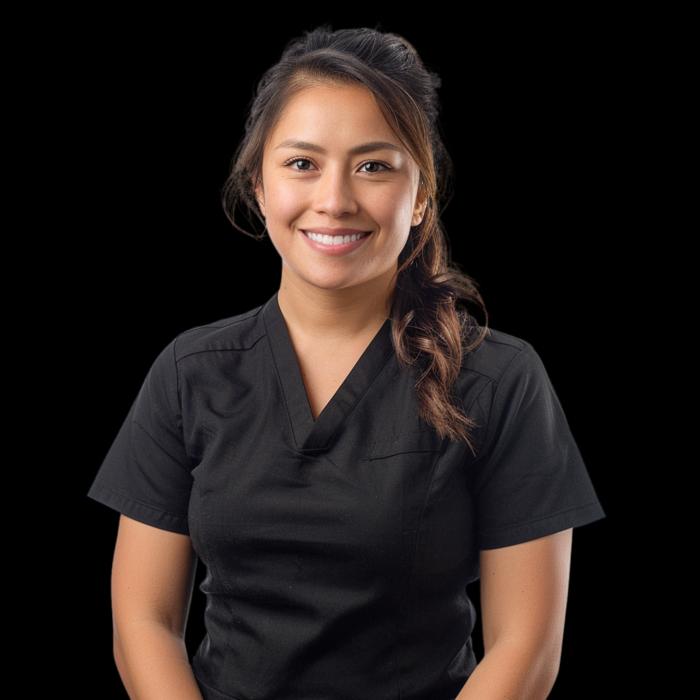


Massage Therapists help people feel better by using hands-on techniques to ease pain and reduce stress. They work on muscles, tendons and ligaments to boost circulation, support recovery and improve overall health. It is an active, people-focused career that suits those who love helping others.
Each session starts with a quick check of the client’s condition and health history. The therapist then picks the best approach for that person, from relaxation massage to deep tissue or remedial work. They may also bring in tools like acupressure, essential oils or heat packs.
Day-to-day tasks include keeping treatment areas clean and safe, writing up client notes and giving aftercare advice. Some therapists work in spas or sports clinics. Others run their own practice and set their own hours.
It is a great career for people who want flexibility. About 73% of massage therapists in Australia work part-time (Jobs and Skills Australia, 2025). With growing demand for wellness services, there are good paths ahead for anyone entering the field.


Career Outlook for Massage Therapist
Massage therapy is a stable career choice for those who love helping people feel better. About 19,500 massage therapists are employed across Australia, with 73% working part-time (Jobs and Skills Australia, 2025). The median age of the workforce is 49 and the female share is 79%. This shows a career with a strong, experienced community of practitioners.
Full-time therapists work around 42 hours per week on average (Jobs and Skills Australia, 2025). Net employment growth is about 100 new positions per year, reflecting a steady job market. Most roles are in health care and social assistance, plus spas and wellness centres. With growing public interest in preventive health, the long-term outlook for massage therapy in Australia remains positive.
About the author

Laura Atkinson is an Account Management and SEM specialist at Course Finder Group with six years' experience in the Australian education sector. She works day to day with universities, TAFEs and independent training providers, which gives her a close view of how courses map to real career outcomes. She writes practical guidance on career pathways, choosing the right qualification and what to expect when moving into a new field.