How to Become A Medical Receptionist
2 Courses




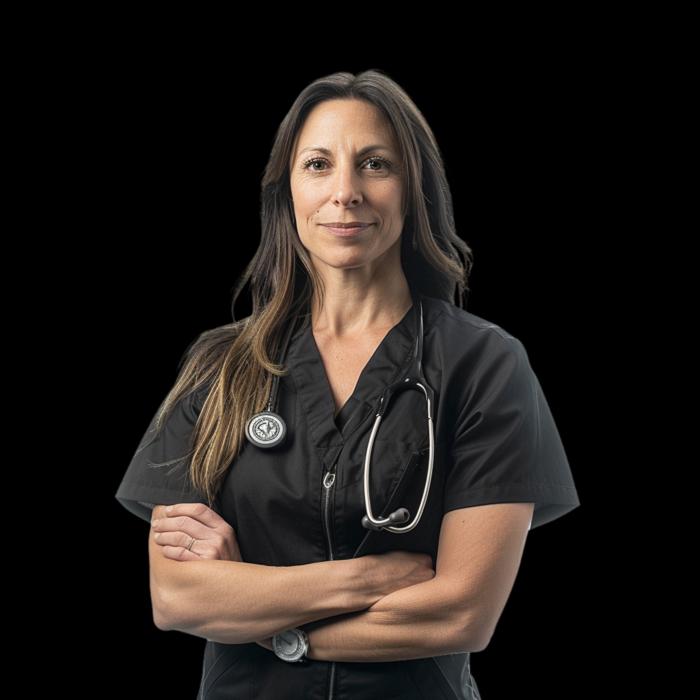
A medical receptionist is the friendly face that greets patients when they walk into a clinic or hospital. They book appointments, answer calls, and help patients find the right person to see. It is a busy, people-focused role at the heart of healthcare.
Each day brings a mix of tasks. A medical receptionist checks in patients, updates records, handles billing queries, and passes messages to nurses and doctors. No two days are the same, which keeps the role fresh and engaging.
Good communication is key. Medical receptionists often meet people who are stressed or unwell. A calm and caring manner makes a real difference. Being organised and adaptable also helps when the waiting room gets busy.
The healthcare sector is one of Australia’s biggest employers, and demand for medical receptionists is steady. Around 71,500 people work in this role across the country (Jobs and Skills Australia). For those wanting to get into healthcare, this is a great place to start.


Career Outlook for Medical Receptionist
Medical reception is a steady career in one of Australia’s fastest-growing sectors. Around 71,500 people work as medical receptionists across the country, with demand rated as stable (Jobs and Skills Australia). The field is mostly female, with 96% of workers being women. Around 69% of roles are part-time, and the median age is 42 years.
Pay ranges from $55,000 at entry level to $85,000 for skilled workers. The average is $65,000 to $70,000 a year (SEEK, June 2026). Roles can be found at GP clinics, hospitals, and specialist rooms across all states.
Healthcare is set to keep growing in Australia. This means steady demand for support staff like medical receptionists. For those starting out, this is a stable path with real scope to grow. Senior admin and practice manager roles are within reach with time and experience.
About the author

Laura Atkinson is an Account Management and SEM specialist at Course Finder Group with six years' experience in the Australian education sector. She works day to day with universities, TAFEs and independent training providers, which gives her a close view of how courses map to real career outcomes. She writes practical guidance on career pathways, choosing the right qualification and what to expect when moving into a new field.