How to Become A Mining Engineer
1 Courses
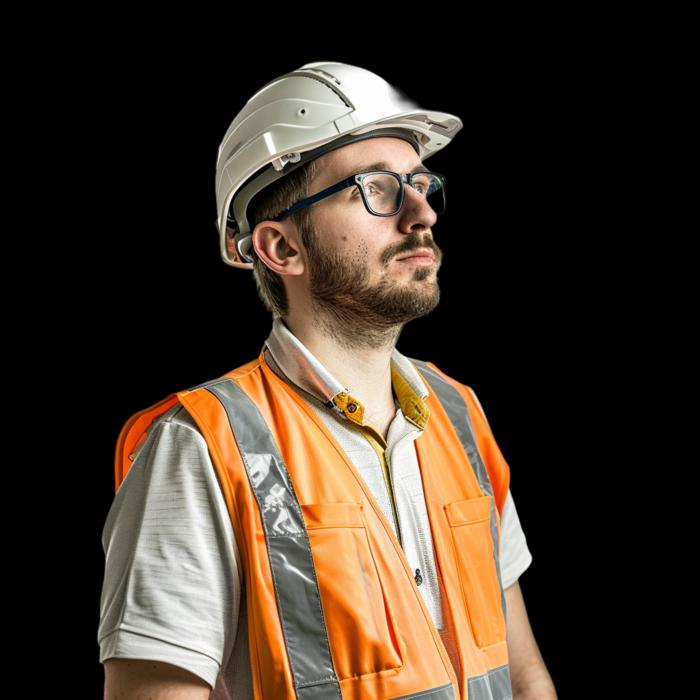


A Mining Engineer plans and directs the work of extracting minerals, petroleum, and natural gas from the earth. It is a hands-on, high-impact career at the heart of Australia’s resources sector.
Mining Engineers team up with geologists and other specialists to survey deposits and check whether extraction is viable. They prepare cost estimates and production plans. Using computer modelling, they design tunnels and mine shafts and choose the best methods for each site.
Safety is a major part of the job. Mining Engineers spot risks such as rock falls or ground slippage and put controls in place to protect workers. They also plan how teams and equipment are used to hit output targets without cutting corners on safety.
Australia needs more Mining Engineers, with 1,500 new roles added each year (Jobs and Skills Australia, 2025). If you enjoy solving problems, technical design, and working in tough environments, this could be the career for you.


Career Outlook for Mining Engineer
Mining Engineering is a strong career choice in Australia. There are 17,300 Mining Engineers at work across the country. Around 1,500 new roles are added each year (Jobs and Skills Australia, 2025). The vast majority work full-time: 93% are in full-time roles, averaging 50 hours a week. The median age is 40. There is plenty of room for younger workers to move into senior roles.
Pay is well above the national average. The median full-time salary is $3,518 per week, or around $183,000 a year (Jobs and Skills Australia, 2025). That is nearly double the all-occupations median. Graduate salaries start around $90,000 a year, rising quickly with site experience.
Australia’s demand for critical minerals such as lithium, cobalt, and copper is growing. This fuels new projects across WA, QLD, SA, and the NT. The long-term outlook for Mining Engineers is very strong. It is a career with real impact, competitive pay, and solid job security.
About the author

Laura Atkinson is an Account Management and SEM specialist at Course Finder Group with six years' experience in the Australian education sector. She works day to day with universities, TAFEs and independent training providers, which gives her a close view of how courses map to real career outcomes. She writes practical guidance on career pathways, choosing the right qualification and what to expect when moving into a new field.