Financial Crisis Affects Jobs
The turmoil on Wall Street has heavily impacted mortgage repayments and petrol prices, and now the financial crisis is hitting Australian employment.
The economic slowdown is expected to put pressure on the jobs market with the Reserve Bank predicting a j

Elizabeth Fenech
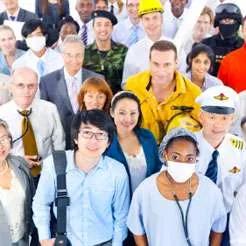
As global markets continue to experience volatility due to inflation, geopolitical tensions, and technological disruption, many Australian job seekers are wondering what this means for employment opportunities.
While Australia’s unemployment rate remains relatively low (hovering around 4.1% in early 2025), employers are becoming more cautious in their hiring decisions. Some industries are seeing delays in recruitment, fewer entry-level opportunities, and an increased reliance on contractors and short-term staff.
How Hiring Trends Are Shifting
Economic uncertainty often prompts businesses to adjust their hiring strategies. Many employers are:
- Delaying permanent hires and opting for fixed-term contracts
- Reducing graduate intake or entry-level positions
- Focusing on operational efficiency and skills-based hiring
- Increasing demand for flexible and cross-trained staff
While this shift can feel discouraging, it also presents opportunities for job seekers who are adaptable and proactive. Roles in healthcare, digital technology, compliance, trades, and community services continue to grow despite the broader slowdown.
What This Means for Your Career
1. Stand Out with Tailored Applications
In a competitive market, your résumé and cover letter matter more than ever. Make sure your application clearly shows the value you bring. Tailor every document to the role, using relevant keywords and outcomes-based achievements.
Need help? Career FAQs offers free resume and cover letter templates to help you get noticed.
2. Be Open to Contract and Hybrid Roles
With permanent hiring slower in some industries, contract roles can offer valuable experience, income, and networking opportunities. Many companies use short-term contracts as stepping stones to permanent employment.
Don’t overlook hybrid or project-based work—it could help you build the skills and contacts that lead to longer-term roles.
3. Upskill for Resilience
Adaptability is key during economic uncertainty. Consider short courses or part-time study in high-demand areas like:
- Information technology and cybersecurity
- Health and aged care
- Community and disability services
- Business and project management
Check eligibility for government-supported training and financial assistance.
Plan Ahead—Even in a Shifting Job Market
It’s normal to feel anxious during economic slowdowns, but smart preparation puts you ahead. Keep your résumé updated, build a strong LinkedIn profile, and maintain a learning mindset. Opportunities are still out there—you just need the tools and confidence to go after them.
Looking to stay competitive? Browse flexible, accredited online courses to gain in-demand skills and future-proof your career.
About the author
Elizabeth Fenech provides readers with career guidance, job market insights, and professional advice at Career FAQs.