How to Become A First Aid Officer


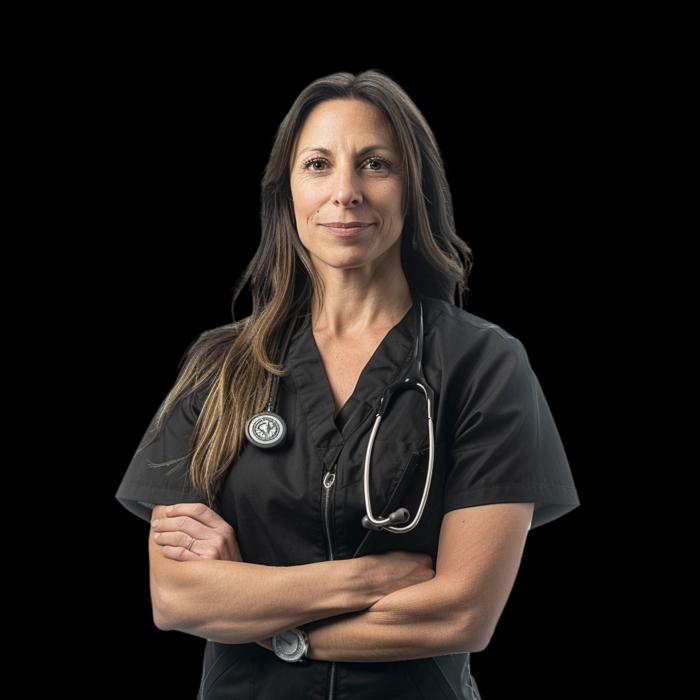
A First Aid Officer is the go-to person when something goes wrong. They work in workplaces, schools, and at community events. They give immediate care to people who are injured or unwell. They stay calm when others might not know what to do.
The job involves more than stepping in during emergencies. First Aid Officers also teach others life-saving skills, run safety sessions, and help keep the workplace prepared for anything. It is a hands-on role that makes a real difference every day.
On a typical day, a First Aid Officer might check the first aid kit or log an incident report. They might also run a CPR refresher for the team or join a safety audit to spot hazards. No two days are exactly the same.
This career suits anyone who enjoys helping people. It is a role where skills really matter and every day counts. Australian law requires most workplaces to have trained first aid staff. This creates steady demand across industries like construction, healthcare, education, and events.


Career Outlook for First Aid Officer
First Aid Officers play a vital part in keeping Australian workplaces safe. Around 980 people work in first aid training and officer roles across Australia (yourcareer.gov.au, 2025). The median age is 50 years. About 52% of workers in this field are female. Full-time workers average 41 hours per week. Many First Aid Officers work part-time or hold the role as an added duty alongside another job.
The outlook for First Aid Officers is steady. Future demand is rated as moderate (yourcareer.gov.au, 2025). Australian work health and safety laws require most employers to provide trained first aid staff. Growth is strongest in education, health care, construction, and community services. For people starting out, this role offers a clear path into health and safety. There is room to grow and specialise over time.
About the author

Laura Atkinson is an Account Management and SEM specialist at Course Finder Group with six years' experience in the Australian education sector. She works day to day with universities, TAFEs and independent training providers, which gives her a close view of how courses map to real career outcomes. She writes practical guidance on career pathways, choosing the right qualification and what to expect when moving into a new field.