How to Become A Medical Laboratory Technician



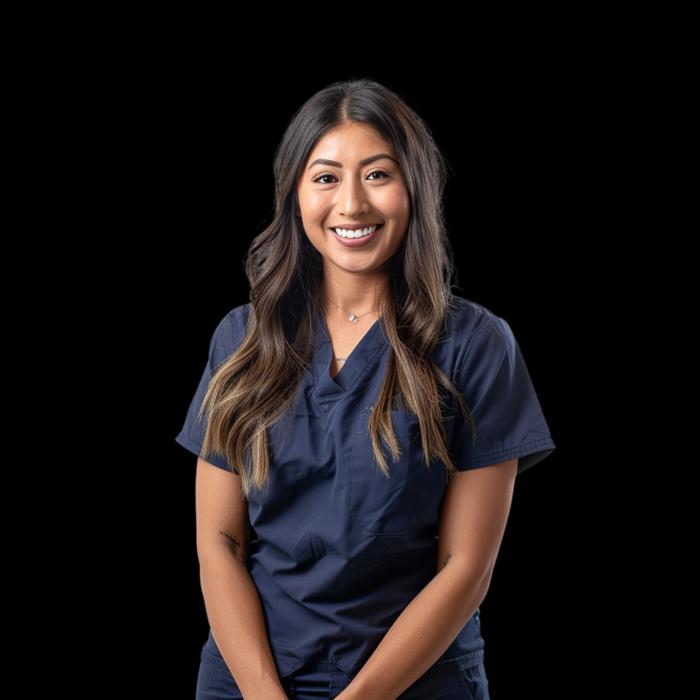
A Medical Laboratory Technician is one of the unsung heroes of healthcare. They run the tests that help doctors figure out what is wrong with patients. Working in hospital labs, pathology services, and diagnostic centres, they handle samples like blood, urine, and tissue. Their results can change a patient’s life.
Day to day, Medical Laboratory Technicians use high-tech equipment to run a wide range of tests. They prepare slides, analyse chemical data, and keep lab equipment in top shape. They may also help set up operating theatres and support surgical teams. No two days are exactly the same.
The role is a great fit for those who love science and want to make a real difference in healthcare. Around 7,600 people work in this role, with 62% in full-time positions (source: Jobs and Skills Australia, 2021). Women make up 73% of the workforce, reflecting the welcoming nature of the profession. The median age is just 36, meaning the workforce is relatively young.
This career offers room to grow. Technicians can specialise in areas like blood banking, microbiology, or molecular diagnostics. With further study, they can advance to become Medical Laboratory Scientists. It is a smart stepping stone into a long, rewarding career in health.


Career Outlook for Medical Laboratory Technician
Medical Laboratory Technicians have strong job prospects in Australia. Around 7,600 technicians were employed across Australia in 2021 (source: Jobs and Skills Australia, 2021). Most work in hospitals and pathology services. Women make up 73% of the workforce and the median age is 36. Around 62% of technicians work full-time, averaging 41 hours per week.
Demand for laboratory testing grows alongside Australia’s ageing population and expanding healthcare needs. The field is considered stable, with employment spread across all states. New South Wales has the highest share at 37%, followed by Victoria at 19% and Queensland at 17%. Salaries range from $70,000 to $100,000 per year, with an average of around $85,000 (source: SEEK Career Advice, June 2026). The profession suits those who want a secure and meaningful career in health.
About the author

Laura Atkinson is an Account Management and SEM specialist at Course Finder Group with six years' experience in the Australian education sector. She works day to day with universities, TAFEs and independent training providers, which gives her a close view of how courses map to real career outcomes. She writes practical guidance on career pathways, choosing the right qualification and what to expect when moving into a new field.