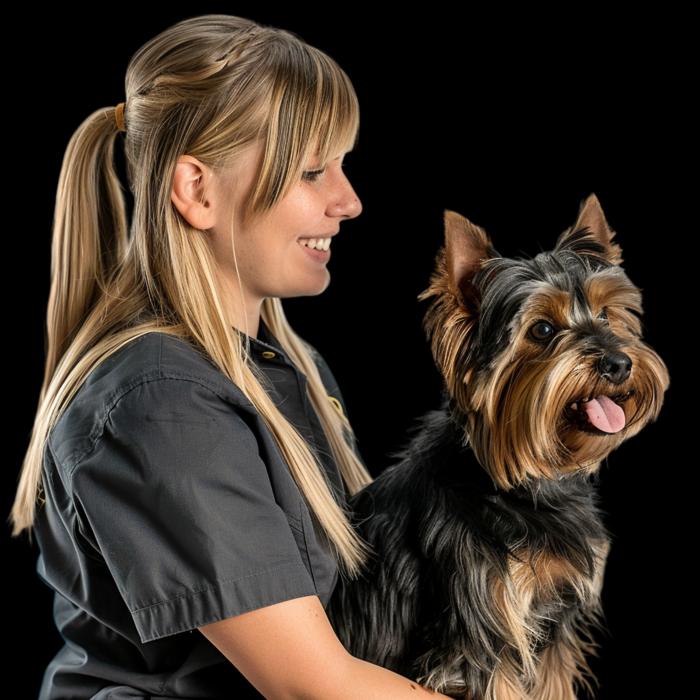
How to Become An Animal Behaviourist



An Animal Behaviourist studies animal behaviour and helps owners and carers solve problems. This career is a great fit for anyone who loves working with animals every day.
These professionals work with dogs, cats, birds, horses, and other species in shelters, vet clinics, and private practice. Every day brings new animals and new challenges to solve.
Their work covers behaviour assessments, training plans, client consultations, and ongoing monitoring. They use the science of animal learning to create real, lasting change in how animals behave.
Most people start with the Certificate IV in Animal Behaviour and Training (ACM40322). Some go further with a bachelor degree, especially if they want to work in research or clinical settings.


Career Outlook for Animal Behaviourist
Animal Behaviourists in Australia mostly work full-time, around 38 hours a week. Hours can vary for those in private practice. Most workers are in their late 20s to 40s and come from animal science, psychology, and vet medicine backgrounds.
Demand for skilled animal behaviourists is growing. More pet ownership and a greater focus on animal mental health are driving this trend. Based on recent Australian labour market data, job prospects are set to stay stable or improve. Most roles are in cities, but regional and rural work exists in vet and farm settings.
About the author

Laura Atkinson is an Account Management and SEM specialist at Course Finder Group with six years' experience in the Australian education sector. She works day to day with universities, TAFEs and independent training providers, which gives her a close view of how courses map to real career outcomes. She writes practical guidance on career pathways, choosing the right qualification and what to expect when moving into a new field.