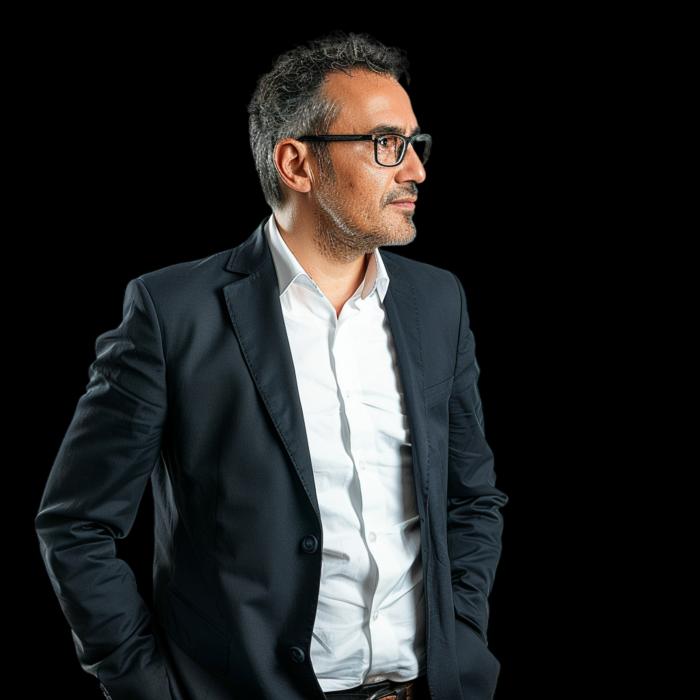
How to Become An Arbitrator



An arbitrator is a neutral expert who helps people and businesses resolve disputes without going to court. They listen to both sides, weigh the evidence, and make a binding decision called an award.
Arbitrators handle many types of disputes: commercial contracts, construction claims, and workplace conflicts. Their awards are legally binding in Australia.
On a typical day, an arbitrator reviews documents, runs hearings, and writes detailed decisions. Strong communication and analytical skills are a must.
More Australians and businesses are choosing arbitration over court. Demand for skilled arbitrators is growing. It is a great path for anyone who cares about fairness, the law, and practical problem-solving.


Career Outlook for Arbitrator
Arbitration is growing fast in Australia. More businesses choose it over lengthy court proceedings to resolve disputes quickly and at lower cost. The role suits experienced legal professionals who want to use their skills in an independent, high-level way.
Arbitrators are typically senior practitioners. Many enter the field after 10 or more years of legal practice. Recent Australian data shows legal professionals in dispute resolution work around 43 hours per week, with most in full-time roles. Women now make up over 60% of the legal workforce in Australia (yourcareer.gov.au, 2025).
The outlook for arbitrators is positive. Demand is set to grow as commercial contracts increasingly include arbitration clauses. International arbitration seated in Australia is also rising, supported by institutions such as ACICA. This is a niche but high-value career path with strong long-term prospects.
About the author

Laura Atkinson is an Account Management and SEM specialist at Course Finder Group with six years' experience in the Australian education sector. She works day to day with universities, TAFEs and independent training providers, which gives her a close view of how courses map to real career outcomes. She writes practical guidance on career pathways, choosing the right qualification and what to expect when moving into a new field.