Compare courses from top Australian unis, TAFEs and other training organisations.

How to Become A Camera Operator
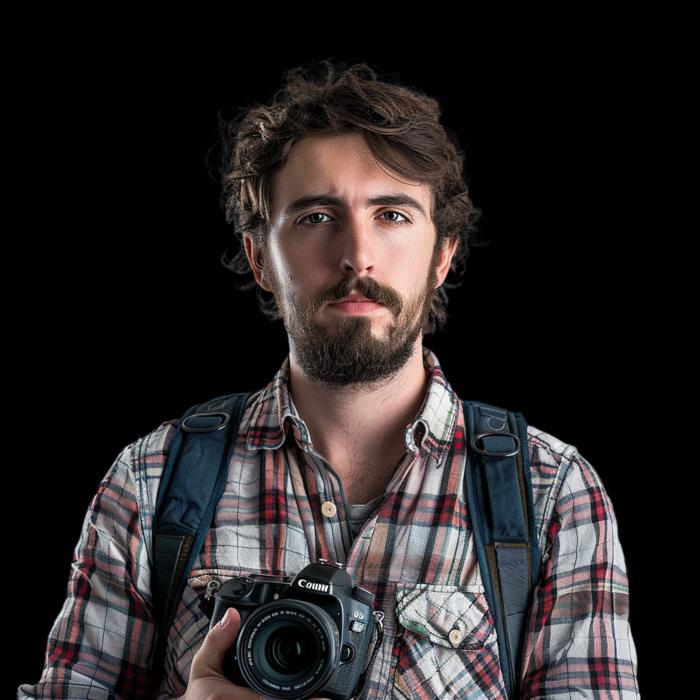

Camera Operator icon for career pathway listing
What is a Camera Operator

A camera operator captures scenes for film, TV, and video productions by setting up and operating cameras. This dynamic role puts you at the centre of the creative process on every shoot.

On the job, camera operators choose the right lenses and equipment. They find the best camera positions and track the action live. They adjust focus, exposure, and framing constantly to get the shot the director needs. No two days are exactly the same.

Camera operators work across lots of different formats. You might film a big-screen feature one month and a live sports broadcast the next. Then it is on to a documentary or a branded content campaign. The variety is one of the best parts of the job.

About 2,900 people work as camera operators in Australia right now, and demand is expected to stay stable (yourcareer.gov.au, 2025). With streaming and online video growing fast, there are real openings for people ready to build the skills.


Find online and in-person Photography courses

Camera operators are part of a small but steady group of workers in Australia. Around 2,900 people work in this role, with demand set to stay stable (yourcareer.gov.au, 2025). The median age is 33. This points to a young, active workforce in the field.

About 55% of camera operators work full-time, with an average of 45 hours per week (ABS, 2021 Census). Many others work part-time or take on freelance work, which suits the flexible nature of screen production. Average weekly pay is around $1,779 (ABS, 2021 Census).

Steps to Become a Camera Operator

Step 1: Complete a Certificate IV in Screen and Media (CUA41020)

Enrol in the Certificate IV in Screen and Media (CUA41020) at a TAFE or registered training organisation (RTO). This qualification takes 12 to 18 months full-time and covers camera operation, lighting, sound, and post-production. It is the main way to enter the screen industry for camera and crew roles. Confirm the current code on training.gov.au before enrolling.

Step 2: Gain entry-level experience on set

Look for work as a camera assistant, production runner, or crew trainee on local productions, student films, or corporate shoots. Spend at least 12 to 24 months in entry-level roles. This hands-on experience teaches you how a professional set operates. It also helps you build ties with directors, DPs, and other crew members.

Step 3: Build a professional showreel

Create a showreel of your best work as you build up footage from projects. A strong showreel is two to three minutes long and shows a range of shots and lighting conditions. Update it regularly as your skills grow. Most employers and clients will ask to see your reel before hiring you.

Step 4: Join the Australian Cinematographers Society (ACS)

Apply for membership with the Australian Cinematographers Society (ACS) at cinematographer.org.au. Student and camera crew memberships are available for those starting out. The ACS connects you with working professionals, industry events, and workshops. Each state has its own ACS branch, so you can network locally from the start.

Step 5: Consider further study to advance your career

Once you have some experience, consider a Diploma of Screen and Media (CUA51020). You could also study a bachelor degree in film and television at a university. A Diploma takes 18 months to two years full-time. Further study builds your skills in production management, cinematography, and advanced camera work. It can help you move into director of photography roles over time.

What does a Camera Operator do?

A typical day for a camera operator starts with checking and setting up all the gear before a shoot. During filming, they position cameras, track the action, and make real-time adjustments to focus, exposure, and framing. They take direction from the director and DP. Together, the crew works to bring each scene to life. After the shoot, they may review footage and prep equipment for the next day. Whether it is a studio drama, a live broadcast, or a commercial, every day brings something new.

Tasks

Camera operators handle all the technical camera work on a production. From pre-shoot prep to reviewing footage at the end of the day, they keep things moving on set.

  • Select and attach equipment – Pick the right lenses, filters, and accessories for each scene and shooting condition.
  • Position cameras – Set up cameras in the best spot to capture each scene from the right angle.
  • Follow the action – Track moving subjects smoothly, keeping them in frame and adjusting focus as they move.
  • Adjust controls – Change settings like exposure, focus, and zoom to get the best image during a shoot.
  • Work with the director – Understand the creative vision for each scene and make adjustments to match it.
  • Check equipment – Inspect and maintain cameras and lenses before and after each shoot to prevent issues.
  • Help with lighting setups – Assist with lighting when needed to improve the look of the shots.
  • Review footage – Watch back the captured footage after filming to check quality and flag any issues.

Skills for Success

Camera operators use a blend of technical know-how and creative instinct to get great shots. You need to be at ease with cameras, lenses, and accessories. You also need to adjust settings fast to get the best result.

A good eye for lighting, framing, and visual storytelling sets you apart. Camera operators work closely with directors, DPs, and the rest of the crew. Clear communication and a positive attitude go a long way in this industry.

Skills & Attributes

  • Camera operation and equipment handling
  • Knowledge of lighting and visual composition
  • Ability to adjust focus, exposure, and white balance in real time
  • Working with directors, cinematographers, and crew to achieve the production vision
  • Attention to detail and a strong visual eye
  • Familiarity with digital capture formats and post-production workflows
  • Physical fitness and stamina for long shoots
  • Problem-solving under pressure on set
  • Strong communication and teamwork
  • Creativity and artistic judgement
  • Adaptability across different filming environments and conditions
  • Time management to meet tight production schedules
  • Awareness of on-set health and safety procedures

Average weekly earnings for a camera operator in Australia are around $1,779, or about $92,500 a year (ABS, 2021 Census). Pay starts from around $60,000 at entry level. Experienced camera operators can earn over $120,000.