How to Become A Dog Handler



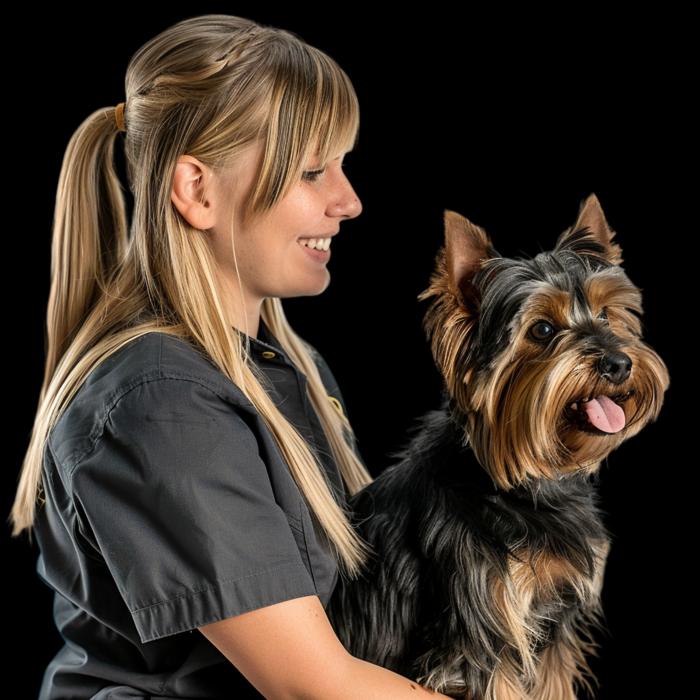
A Dog Handler works with dogs every day, teaching commands, fixing behaviour problems, and building strong bonds with animals. Roles cover everything from puppy training and obedience classes to show events and detection work. If you love animals and want a hands-on, active career, dog handling could be for you.
Dog Handlers look at each dog’s needs and create a training plan to match. They use positive methods to shape behaviour and help each animal do its best. Some handlers focus on pets, while others work in therapy, guide dog, or public service roles.
The role also involves guiding dog owners. Handlers show owners how to keep training going at home and how to deal with everyday challenges. It is a mix of animal work and people coaching.
You do not need a degree to enter this career. The Certificate III in Animal Care Services (ACM30122) is a great starting point. The Certificate III in Dog Behaviour and Training (22542VIC) adds expert skills. From there, more study and work experience open up specialist roles.

Career Outlook for Dog Handler
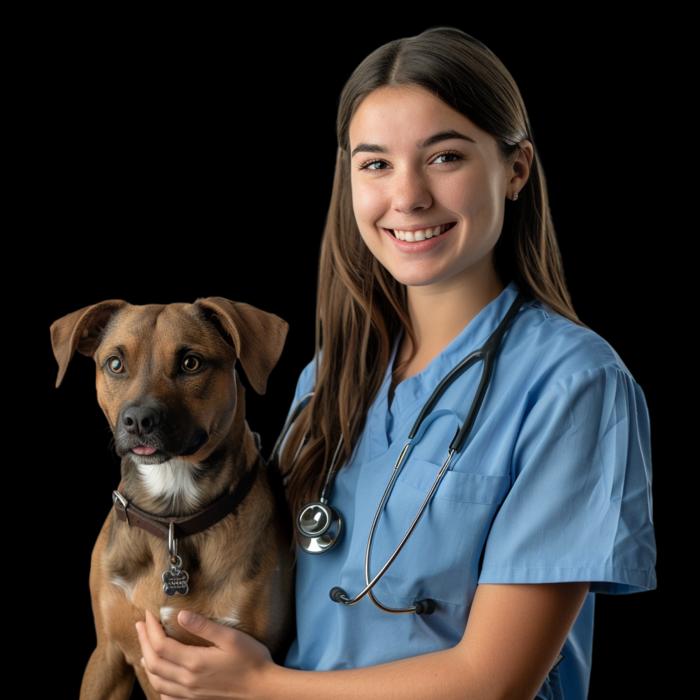
Dog Handlers work in a small but growing field. Australia’s love of pets drives steady demand for trained handlers. Around 51% of dog handlers work full-time, with the rest in part-time or casual roles (based on recent industry data).
The pet sector has grown steadily in recent years. More Australians own dogs than ever before. Many seek skilled handlers to help with training, social skills, and problem behaviour.
Career paths include pet training, therapy dog work, service dog roles, and expert jobs in police or customs. Handlers with formal training and a cert tend to attract more clients. The job outlook is positive as the pet industry keeps growing.
About the author

Laura Atkinson is an Account Management and SEM specialist at Course Finder Group with six years' experience in the Australian education sector. She works day to day with universities, TAFEs and independent training providers, which gives her a close view of how courses map to real career outcomes. She writes practical guidance on career pathways, choosing the right qualification and what to expect when moving into a new field.