Compare courses from top Australian unis, TAFEs and other training organisations.

How to Become A Dog Trainer


Career outcome icon – Dog Trainer
What is a Dog Trainer

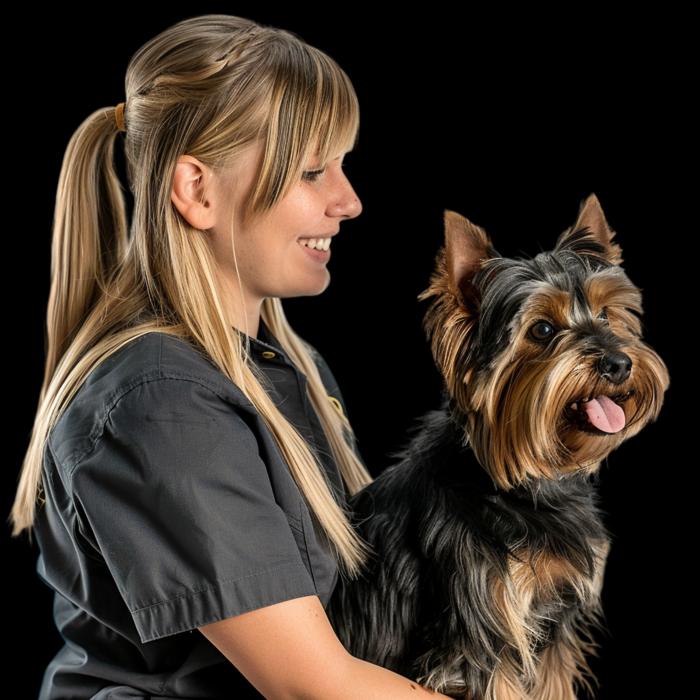
A Dog Trainer helps dogs learn commands and good behaviour, while teaching owners how to keep that going at home. It is a hands-on career that makes a real change in the lives of pets and their families. Dog Trainers work in parks, training centres, private homes, and even on film sets.

Every day looks a little different. Mornings often start with a group class and shift to one-on-one work for reactive dogs. The trainer looks at each dog and builds a plan to suit that animal.

Problem behaviours like barking, jumping, or pulling on the lead are part of the job. Trainers use positive, reward-based methods to change these patterns over time. Many trainers say seeing a dog’s confidence grow is one of the most satisfying parts of the work.

There are many ways to take this career further. Dog Trainers can specialise in agility, service dogs, detection work, or behaviour consulting. Australia has a large and growing pet-owning community, so demand for skilled trainers is strong.


Explore study options in Animal Care

Dog training is a growing field in Australia. Around 1,800 people work in dog handler and trainer roles nationally, with 51% in full-time work (yourcareer.gov.au, 2024). The median age in this field is 40, and women make up 64% of the workforce. Most work in arts, recreation, personal services, or public service roles such as police dog units.

Pay for Dog Trainers averages around $1,280 per week (yourcareer.gov.au, 2024). SEEK reports a typical salary of around $85,000 per year for skilled trainers (SEEK, 2024). Job growth sits at 14.9% over five years, above the average for most jobs (SEEK, 2024). Future demand is moderate, in line with steady growth in pet ownership across Australia.

Specialising can boost both income and career options. Trainers who work with service animals, police dogs, or detection units often earn more and have stronger job security. The pet industry in Australia keeps growing, so skilled Dog Trainers with good training are well placed to thrive.

Steps to Become a Dog Trainer

Step 1: Volunteer and Gain Hands-On Experience with Dogs

Start by spending time with dogs in a real working setting. Volunteer at an animal shelter, help at a kennel, or assist a skilled trainer. This builds confidence with many dog types and characters before formal study. Most Dog Trainers say that hands-on time is the best base you can build.

Step 2: Complete the Certificate III in Dog Behaviour and Training (22542VIC)

Enrol in the Certificate III in Dog Behaviour and Training (22542VIC) at a registered training organisation (RTO). This is the main nationally recognised qualification for dog training in Australia. It takes around 12 months and covers canine behaviour, positive reinforcement, and practical training methods. Another path is the Certificate III in Animal Care Services (ACM30122), at a TAFE or RTO. This also takes 12 months and covers a broader range of animal care skills.

Step 3: Build Supervised Practical Experience

Once qualified, seek work as an assistant trainer or join a local dog training club. Most trainers spend 12 to 24 months in a guided role before running sessions alone. This time sharpens your skill at reading dog signals and changing your methods on the spot.

Step 4: Join a Professional Association

Apply for membership with the National Dog Trainers Federation (NDTF) or the Association of Pet Dog Trainers Australia (APDT Australia). Membership shows clients and employers that you meet high standards. It gives you access to courses, events, and a network of skilled trainers across Australia.

Step 5: Pursue the Certificate IV in Animal Behaviour and Training (ACM40322)

Enrol in the Certificate IV in Animal Behaviour and Training (ACM40322) to take on more complex cases. This helps you focus on service dogs, detection work, or behaviour consulting. It takes 12 to 18 months at a TAFE or RTO. Higher study opens doors to roles with government agencies, hospitals, and film productions.

What does a Dog Trainer do?

Dog Trainers spend their days working closely with dogs and their owners to build better relationships. A typical day might start with a morning group class, then move to private sessions for dogs with specific issues. Throughout the day, trainers assess each dog’s progress, adjust their approach, and coach owners on what to do at home. Admin tasks like scheduling and keeping training records round out the day. No two days are the same, which makes this one of the most varied careers in animal care.

Tasks

Dog Trainers help dogs learn good habits and help owners understand how to guide their pets every day. The role is hands-on and rewarding, mixing practical animal handling with education, planning, and record-keeping.

  • Run training sessions to teach dogs to follow commands and behave well around people and other animals.
  • Assess each dog’s behaviour to spot issues and build a plan that works for that individual dog.
  • Coach dog owners on how to manage their pet’s behaviour and keep training going at home.
  • Address problem behaviours using positive, reward-based training techniques.
  • Prepare and organise training materials and session plans.
  • Track each dog’s progress and change methods if needed.
  • Run group training classes for multiple dogs and their owners at once.
  • Keep training records and schedule future sessions.
  • Stay up to date with the latest training methods and animal behaviour research.

Skills for Success

Dog Trainers need patience above all. Every dog learns differently, and training takes time and consistency. A deep knowledge of dog behaviour helps trainers pick the right approach for each dog. Clear communication with owners is just as key, since training only sticks if owners follow through at home.

Adaptability and problem-solving make a big difference in this career. Dogs can be unpredictable, so trainers need to think on their feet. Physical fitness helps too, since the role is active and often outdoors. A real love of animals is at the heart of this career, and it keeps Dog Trainers motivated.

Skills & Attributes

  • Animal Behaviour Knowledge
  • Patience and Consistency
  • Effective Communication
  • Dog Handling Skills
  • Problem-Solving
  • Understanding of Dog Breeds and Temperaments
  • Ability to Coach Owners
  • Positive Reinforcement Techniques
  • Empathy and Compassion
  • Physical Fitness
  • Observation and Assessment Skills
  • Time Management
  • Record-Keeping and Administration
  • Adaptability
  • Experience in Animal Care

Dog Trainers in Australia earn about $66,560 per year on average, based on weekly pay of $1,280 (yourcareer.gov.au, 2024). SEEK reports a typical salary of around $85,000 per year for skilled trainers (SEEK, 2024). Entry-level pay starts at around $55,000. Those in service dog, police, or detection roles can earn $100,000 or more.