Steps to Become a Drug and Alcohol Counsellor
Step 1: Complete the Certificate IV in Alcohol and Other Drugs (CHC43215)
Enrol in the Certificate IV in Alcohol and Other Drugs (CHC43215) at a TAFE or registered training organisation (RTO). This takes around 12 months full-time, or longer part-time. It covers client needs, counselling basics, harm reduction, and working with people in recovery. It is the standard entry point for AOD work in Australia.
Step 2: Progress to the Diploma of Alcohol and Other Drugs (CHC53215)
Complete the Diploma of Alcohol and Other Drugs (CHC53215) to build deeper therapy skills. This takes 12 to 24 months at a TAFE or RTO. It covers advanced counselling methods, case management, and trauma-informed practice. Many employers require at least a Diploma for counsellor roles. Those aiming for clinical roles may prefer a bachelor’s degree in social work, psychology, or counselling.
Step 3: Build Supervised Practical Experience
Complete a supervised work placement during your study, then build further experience through volunteer or paid work. Aim for roles at community health services, rehab centres, or hospital AOD units. Hands-on work builds your skills and shows employers you can work safely with clients in recovery. Most workplaces expect at least 6 to 12 months of relevant experience.
Step 4: Join a Professional Association
Become a member of the Australian Counselling Association (ACA) or Counselling and Psychotherapy Australia (PACFA). Membership shows your commitment to ethics and good practice. It also gives access to supervision, peer networks, and development events. Some employers expect association membership as part of their hiring criteria.
Step 5: Pursue Ongoing Professional Development
Keep your skills fresh through workshops, conferences, and further study. Key areas include trauma-informed care, dual diagnosis, and work with groups such as young people. More study, such as a Graduate Diploma or Master of Counselling, can lead to senior or leadership roles.
A Drug and Alcohol Counsellor runs therapy sessions, builds recovery plans, and helps clients take back control of their lives. Each day involves listening carefully, assessing needs, and applying therapeutic tools like CBT and motivational interviewing. Counsellors support clients one-on-one and in groups, and work with families to strengthen the whole support system. They document progress and keep detailed case notes. They also team up with GPs and social workers to ensure nothing falls through the cracks. It is challenging, rewarding work that changes lives.
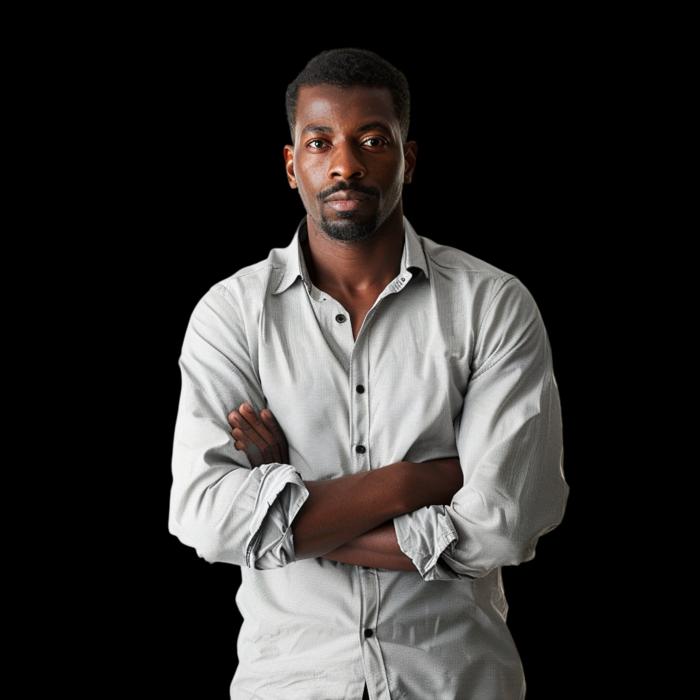
A Drug and Alcohol Counsellor plays a key role in helping people beat addiction and build healthier lives. This career blends clinical skill with genuine human connection. Every client is different, and every day brings new challenges and rewards.
- Assessing client needs – reviewing what each client needs for their drug and alcohol treatment.
- Conducting counselling sessions – running individual, couple, and family sessions to tackle substance use.
- Developing rehabilitation plans – co-creating recovery plans that cover health, work, and social needs.
- Providing resources – giving clients tools for job-seeking, life skills, and community support.
- Running group therapy – leading peer support groups where clients share experiences and build coping skills.
- Supporting families – helping family members understand recovery and how to support their loved one.
- Monitoring progress – checking in regularly and adjusting plans based on how each client is going.
- Educating clients – sharing information on the effects of substance use and strategies for staying well.
- Keeping records – logging session notes and treatment plans for ongoing care and compliance.
- Working with other services – teaming up with health professionals, social workers, and community groups for full care.
To thrive as a Drug and Alcohol Counsellor, empathy and active listening are essential. Clients need to feel safe, and those skills create the right foundation. A warm, non-judgemental approach matters too.
Strong communication helps counsellors explain complex ideas in plain terms. Problem-solving skills help build recovery plans that suit each person’s life. Group facilitation and knowledge of methods like cognitive behavioural therapy add real value to day-to-day practice. Resilience matters too, as the work can be emotionally demanding.