How to Become A Guide Dog Mobility Instructor
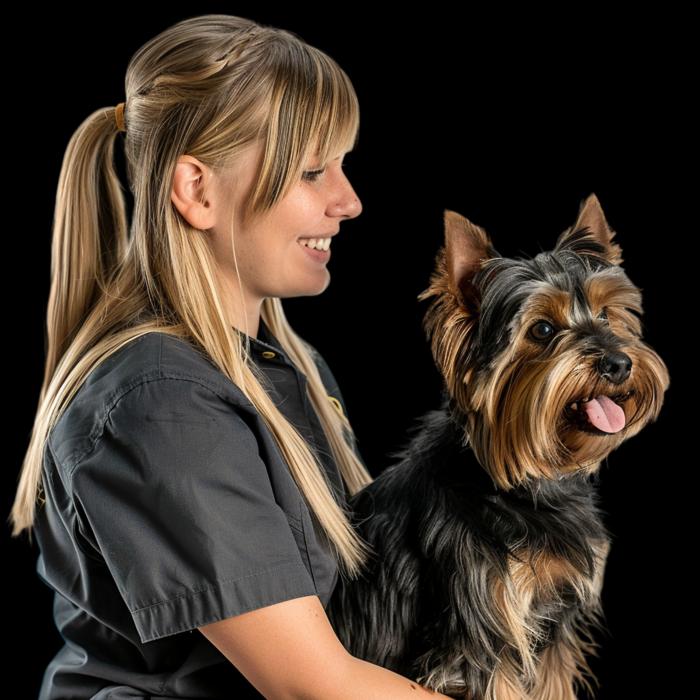


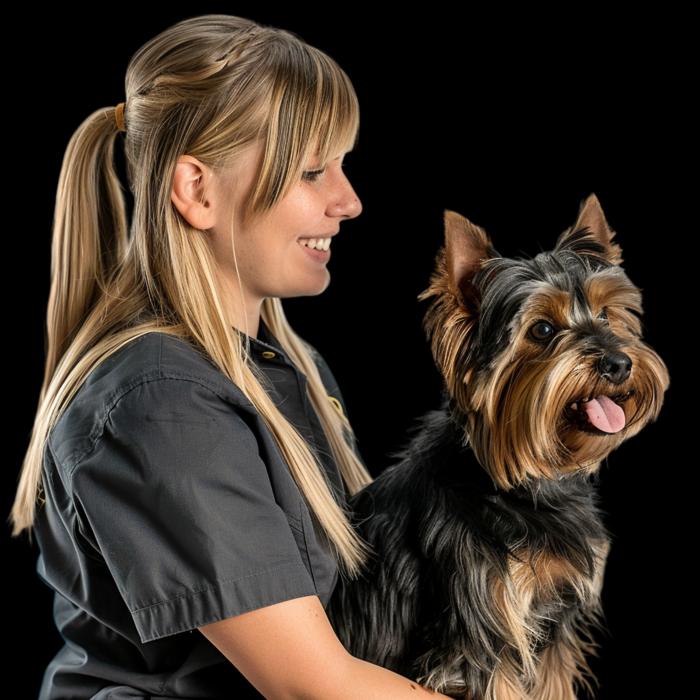
A Guide Dog Mobility Instructor trains guide dogs and teaches handlers how to work as a team. They help people who are blind or have low vision move around safely. This hands-on, people-centred career makes a real difference every day.
Instructors work for organisations such as Guide Dogs Australia and Vision Australia. They select puppies, develop their training over several months, and match each dog to a client. They then run a training course with the handler and provide follow-up support.
The role combines animal training with disability support. Instructors need strong dog handling skills and clear communication with people. They also work with allied health professionals to give each client the right support.
This career suits people who are patient, practical, and passionate about helping others. It is a specialist role with a structured entry pathway. There is steady demand for qualified instructors across Australia.

Career Outlook for Guide Dog Mobility Instructor
Guide Dog Mobility Instructor is a small but stable career in Australia. Jobs exist within the Guide Dogs Australia network and at Vision Australia Seeing Eye Dogs. Positions open when instructors retire or organisations grow their programs.
Based on recent data, pay averages around $84,000 a year (ERI SalaryExpert, 2026). Entry-level instructors earn about $62,000, and senior instructors can earn over $94,000. Most roles are full-time and permanent, typically 38 hours per week.
The number of Australians with vision impairment is expected to grow as the population ages. This creates a steady, long-term need for guide dog services and skilled instructors. Qualified instructors hold an IGDF credential recognised across member schools internationally.
About the author

Laura Atkinson is an Account Management and SEM specialist at Course Finder Group with six years' experience in the Australian education sector. She works day to day with universities, TAFEs and independent training providers, which gives her a close view of how courses map to real career outcomes. She writes practical guidance on career pathways, choosing the right qualification and what to expect when moving into a new field.