How to Become A Health Assistant



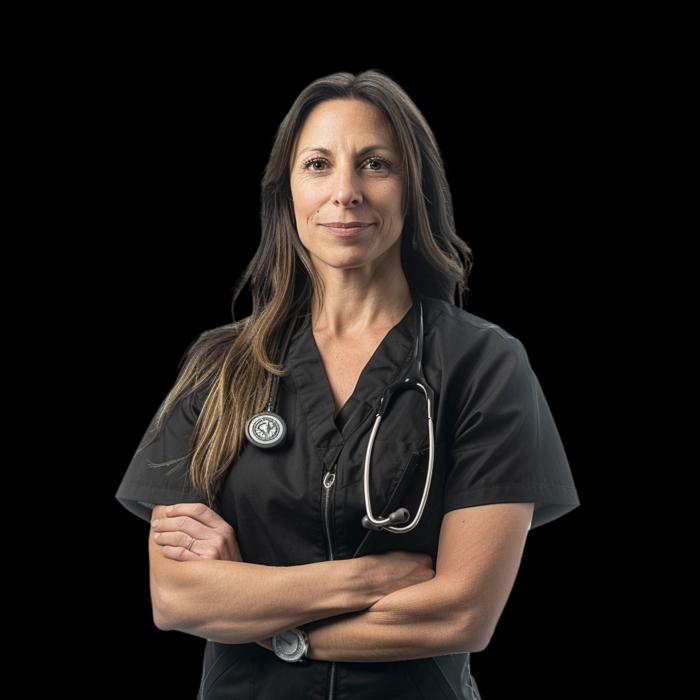
A Health Assistant is the hands-on helper that keeps healthcare moving. They support doctors, nurses, and allied health professionals in hospitals, aged care homes, and community health centres every day.
Health Assistants help patients bathe, dress, eat, and move safely. They take vital signs, clean care areas, and sometimes handle admin tasks like booking appointments. No two days are the same.
You will work closely with a healthcare team and often be the person patients interact with most. Your observations and reports help clinical staff make faster, better decisions for patient care.
The Health Care and Social Assistance industry is the country’s largest employer (Jobs and Skills Australia, 2025). It keeps growing, which means strong job prospects for Health Assistants. A role as a Health Assistant is a solid starting point for a long, meaningful health career. Find health assistant courses on CareerFAQs today.


Career Outlook for Health Assistant
Health Assistants work in one of Australia’s fastest-growing industries. The Health Care and Social Assistance sector will grow strongly over the next decade (Jobs and Skills Australia, 2025). This means steady demand for Health Assistants well into the future.
Most Health Assistants work full-time or part-time. Casual and shift-based roles are also common. Hospital roles often involve shift work, while aged care and community health roles may offer more regular hours. The typical full-time week is 38 hours.
Career paths for Health Assistants are clear and easy to follow. With more experience and study, they can move into roles as enrolled nurses, allied health staff, or health service coordinators. The Certificate IV in Allied Health Assistance (HLT43021) opens doors to more clinical support roles. It takes less than a year of study beyond Certificate III.
About the author

Laura Atkinson is an Account Management and SEM specialist at Course Finder Group with six years' experience in the Australian education sector. She works day to day with universities, TAFEs and independent training providers, which gives her a close view of how courses map to real career outcomes. She writes practical guidance on career pathways, choosing the right qualification and what to expect when moving into a new field.