How to Become A Livestock Farmer


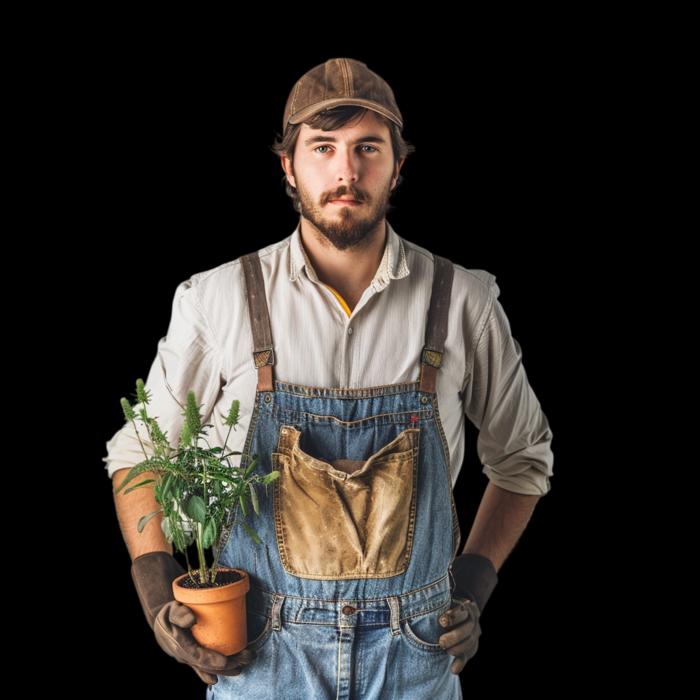
A livestock farmer breeds and raises animals to produce meat, milk, wool, eggs, and more. It is a hands-on outdoor career at the heart of Australia’s food system. If you love animals and the land, this could be the career for you.
Each day brings a mix of physical work and smart thinking. You check on animal health, manage feeds, move mobs between paddocks, and keep the farm running. You also handle the business side, including budgets, records, and sales.
Livestock farming covers many specialisations. You could work with beef cattle, dairy cows, sheep, pigs, poultry, or goats. Each type has its own rhythm and skill set. There is plenty of room to grow and find your niche.
Getting started does not need a university degree. Practical experience and a Certificate III or IV in Agriculture are common entry paths. From there, you can build your skills, take on more land, and shape your own future in farming.


Career Outlook for Livestock Farmer
Livestock farming is a key part of Australia’s food system. Around 72,400 people work as livestock farmers across the country (Jobs and Skills Australia, 2026). The median age of this workforce is 60. This is well above the national average of 39, which shows strong demand for young entrants as older farmers retire.
About 74% of livestock farmers work full-time, putting in an average of 55 hours a week (Jobs and Skills Australia, 2026). Women make up 32% of the workforce. Jobs fell by about 4,000 in recent data, as farms merged and new tools were adopted. This is not a sign of low demand.
New tools are changing how farms are run. Smart livestock systems, remote checks, and digital records are now common on large farms. Farmers who keep up with these changes will be in a better spot to run lean, profitable farms. They can also tap into growing home and export markets.
About the author

Laura Atkinson is an Account Management and SEM specialist at Course Finder Group with six years' experience in the Australian education sector. She works day to day with universities, TAFEs and independent training providers, which gives her a close view of how courses map to real career outcomes. She writes practical guidance on career pathways, choosing the right qualification and what to expect when moving into a new field.