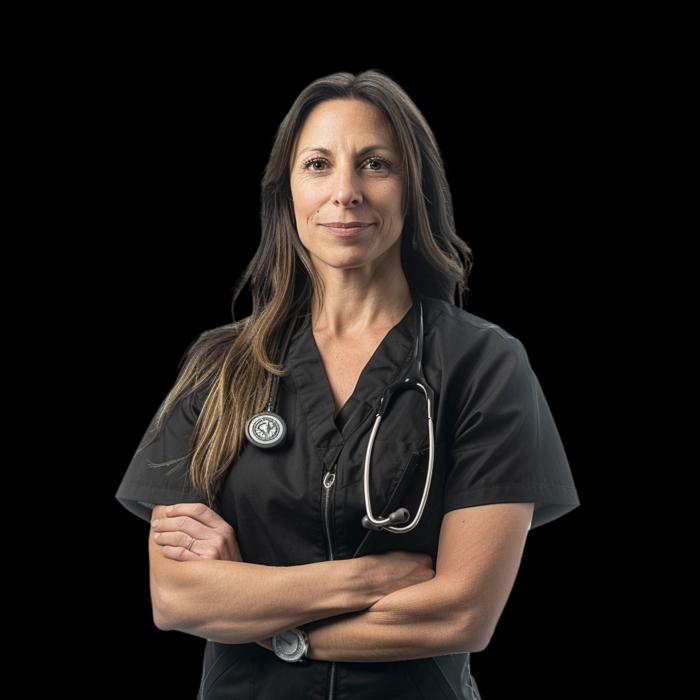
Medical Biotechnologist
A Medical Biotechnologist plays a crucial role in the healthcare and pharmaceutical industries by applying biological and technological principles to develop innovative solutions for medical challenges. This profession involves the study of living organisms and biological systems to create new products and processes that improve health outcomes. Medical Biotechnologists work on a variety of projects, including drug development, genetic testing, and the creation of diagnostic tools, making significant contributions to advancements in medicine and public health.
Steps to become a Medical Biotechnologist
Step 1: Complete a Relevant Undergraduate Degree
The journey to becoming a Medical Biotechnologist typically begins with obtaining a relevant undergraduate degree. Aspiring professionals often pursue a Bachelor of Science in Biotechnology, Biomedical Science, or a related field. This foundational education provides essential knowledge in biology, chemistry, and genetics, equipping students with the scientific principles necessary for a successful career in biotechnology. Engaging in laboratory work during this phase is vital, as it helps develop practical skills and a deeper understanding of the scientific process.
Step 2: Gain Practical Experience
After completing an undergraduate degree, gaining practical experience is an important next step. This can be achieved through internships, work placements, or entry-level positions in laboratories or research facilities. Practical experience allows individuals to apply their theoretical knowledge in real-world settings, enhancing their skills in laboratory techniques, data analysis, and problem-solving. Networking during this phase can also open doors to future job opportunities and collaborations within the industry.
Step 3: Pursue Further Education
While a bachelor’s degree is a solid foundation, many Medical Biotechnologists choose to further their education by pursuing a Master’s or PhD in Biotechnology, Molecular Biology, or a related discipline. Advanced degrees provide deeper insights into specialised areas of biotechnology and research methodologies. This level of education not only enhances career prospects but also prepares individuals for leadership roles in research and development, where they can drive innovation and contribute to significant medical advancements.
Step 4: Stay Updated with Industry Trends
The field of biotechnology is constantly evolving, with new technologies and discoveries emerging regularly. To remain competitive and effective, Medical Biotechnologists should commit to lifelong learning. This can involve attending workshops, conferences, and seminars, as well as subscribing to relevant journals and publications. Staying informed about the latest research and technological advancements ensures that professionals can apply cutting-edge techniques and knowledge in their work, ultimately benefiting their careers and the healthcare sector.
Step 5: Obtain Relevant Certifications
While not always mandatory, obtaining certifications can enhance a Medical Biotechnologist’s credentials and demonstrate expertise in specific areas. Certifications from recognised professional bodies can provide a competitive edge in the job market and may be required for certain positions. These certifications often focus on specialised skills or knowledge, such as quality control, regulatory compliance, or specific laboratory techniques, further solidifying a professional’s qualifications and commitment to the field.
Step 6: Explore Career Opportunities
With the necessary education, experience, and certifications, individuals can begin exploring career opportunities as Medical Biotechnologists. Potential employers include pharmaceutical companies, research institutions, hospitals, and government agencies. Job roles may vary from research and development to quality assurance and regulatory affairs. The diverse nature of the field allows professionals to find a niche that aligns with their interests and strengths, contributing to a fulfilling and impactful career.
Step 7: Network and Build Professional Relationships
Networking is a vital component of career development in biotechnology. Building professional relationships with peers, mentors, and industry leaders can lead to valuable opportunities for collaboration, job referrals, and professional growth. Joining professional organisations, attending industry events, and participating in online forums can help individuals expand their network and stay connected with the biotechnology community. These relationships can provide support, guidance, and insights that are invaluable throughout one’s career.
In summary, becoming a Medical Biotechnologist is a rewarding journey that combines education, practical experience, and a commitment to ongoing learning. This career not only offers the opportunity to contribute to significant advancements in healthcare but also provides a dynamic and fulfilling professional path. With the right preparation and dedication, aspiring Medical Biotechnologists can look forward to a bright future in this exciting field.
A Medical Biotechnologist plays a vital role in the healthcare sector, engaging in a variety of tasks that blend science and innovation. On a day-to-day basis, they conduct experiments to study the biological processes of living organisms, focusing on how these processes can be harnessed to develop new medical treatments and diagnostic tools. This often involves analysing samples, running tests, and interpreting data to understand disease mechanisms and potential therapies. They collaborate with other scientists and healthcare professionals, sharing insights and findings to drive research forward. Additionally, Medical Biotechnologists may be involved in quality control, ensuring that laboratory practices meet regulatory standards, and they often contribute to writing reports and scientific papers to communicate their discoveries. With a dynamic mix of laboratory work and collaboration, this career offers the chance to make a meaningful impact on health and medicine.
A career as a Medical Biotechnologist requires a unique blend of scientific knowledge and practical skills. Individuals in this field must possess a strong foundation in biology, chemistry, and genetics, as they study living organisms and biological molecules to develop innovative medical solutions. Proficiency in laboratory techniques, such as DNA sequencing, cell culture, and bioinformatics, is essential for conducting experiments and analysing data effectively. Additionally, strong problem-solving abilities and critical thinking skills are crucial, as they enable biotechnologists to troubleshoot experiments and interpret complex results.
Moreover, effective communication skills are vital for Medical Biotechnologists, as they often collaborate with multidisciplinary teams and present their findings to both scientific and non-scientific audiences. Attention to detail and a commitment to ethical practices in research are also important traits, ensuring that their work adheres to regulatory standards and contributes positively to healthcare advancements. With the right education and training, aspiring Medical Biotechnologists can embark on a rewarding career that plays a significant role in improving health outcomes and developing new therapies.