How to Become A Medical Photographer
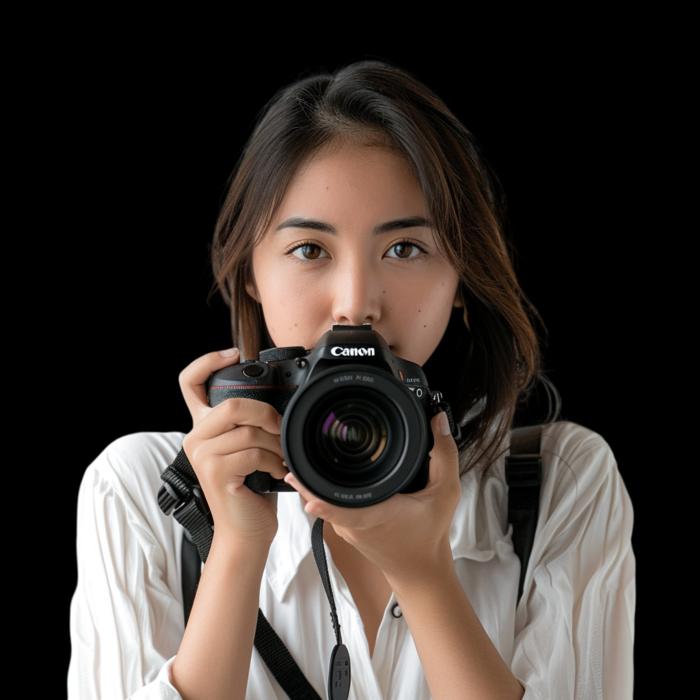


A medical photographer takes clinical images that help healthcare teams track, treat, and understand patients. They work in hospitals, clinics, and research labs, photographing everything from skin conditions to surgical procedures. If you love photography and want to make a real difference in healthcare, this is a career worth exploring.
On the job, you will use professional cameras alongside specialist tools for macro and fluorescence photography. You will also edit images using digital software, making sure colours and measurements stay accurate. Your work will go into patient files, research papers, and medical teaching materials.
Medical photographers today do more than take photos. Many also shoot and edit video to support telemedicine and surgical training. You will work closely with doctors, nurses, and researchers, so clear contact skills matter. Following patient privacy rules and getting consent before each shoot is a core part of the job.
This career mixes creative work and science. Most roles are based in major hospitals and research centres, with some photographers doing freelance work for specialist clinics. The long-term outlook is positive as digital health and clinical education continue to grow.


Career Outlook for Medical Photographer
Medical photographers in Australia mostly work full-time, with hours from 35 to 40 per week. Most work in large teaching hospitals and research centres. Some take on freelance work for specialist clinics or medico-legal cases. It is a small but stable field, with roles that offer steady work rather than short contracts.
The average salary for a medical photographer is around $90,000 per year (Glassdoor Australia, 2022). Entry-level roles start from around $65,000. Experienced staff in major hospitals can earn up to $115,000. Most public sector roles fall under the Health Professionals and Support Services Award.
The field is growing as visual records become more important in healthcare. Digital health, telemedicine, and surgical training are all creating new demand for skilled medical photographers. The broader photographer role has moderate future demand in Australia (Your Career, 2025). For those who combine strong photography skills with a genuine interest in healthcare, the long-term outlook is positive.
About the author

Laura Atkinson is an Account Management and SEM specialist at Course Finder Group with six years' experience in the Australian education sector. She works day to day with universities, TAFEs and independent training providers, which gives her a close view of how courses map to real career outcomes. She writes practical guidance on career pathways, choosing the right qualification and what to expect when moving into a new field.