Compare courses from top Australian unis, TAFEs and other training organisations.

How to Become A Motor Mechanic


Career outcome icon – Motor Mechanic
What is a Motor Mechanic

A motor mechanic fixes, services and tests motor vehicles and their engines. Motor mechanics work in auto workshops, car dealerships, fleet firms and government agencies. It is one of Australia’s most in-demand trades. Over 112,000 mechanics are employed across the country (Jobs and Skills Australia, 2025).

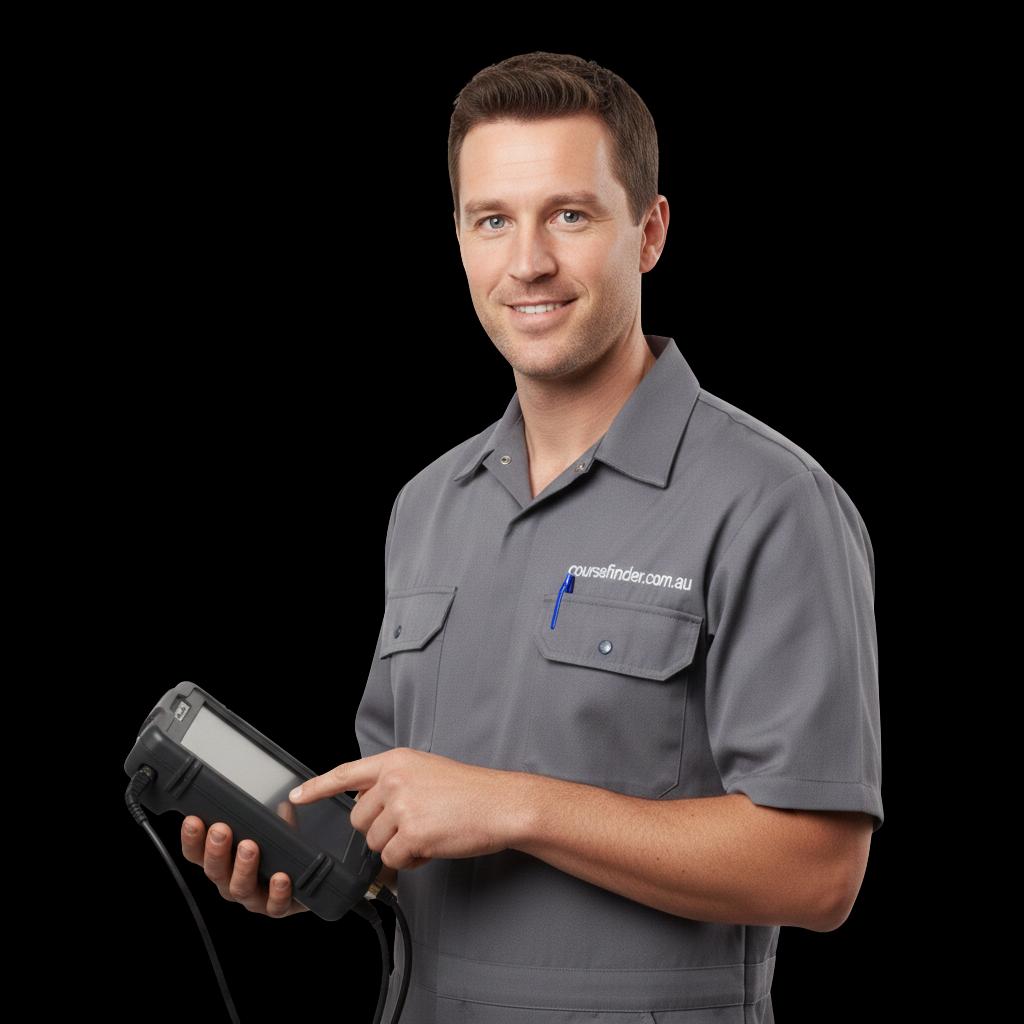
Each day brings hands-on challenges. Mechanics find engine faults, strip down gearboxes and steering systems, fit new parts and rebuild assemblies. They also carry out routine services such as oil changes and brake checks. As vehicles get more advanced, they use computer diagnostic tools to find faults fast.

Strong communication skills count too. Mechanics explain repairs to customers in plain language. They work in fast-paced workshops and stay organised to meet deadlines. Attention to detail is key, because a missed fault can cause serious problems on the road.

Motor mechanics in Australia earn a median of $1,622 per week (Jobs and Skills Australia, 2025). The trade is open to anyone willing to do a four-year apprenticeship. It offers a clear path to senior roles, business ownership or focus areas like electric vehicles.


Explore study options in Automotive

Motor mechanics have strong job prospects in Australia. Around 112,600 mechanics are employed across the country. Employment grows by about 1,800 jobs a year (Jobs and Skills Australia, 2025). The median age of a motor mechanic is 33 years.

The trade is 91% full-time, and most mechanics work around 44 hours per week. The sector is changing fast. Electric and hybrid vehicles are entering workshops at a growing rate. Mechanics who train in these systems will have a clear edge.

The trade remains male-dominated, with only 3% of motor mechanics who are female (Jobs and Skills Australia, 2025). Industry bodies are actively working to bring more women into automotive careers. Career outlook is positive, with stable demand and new roles in emerging technologies.

Steps to Become a Motor Mechanic

Step 1: Finish Secondary Education

Complete at least Year 10 to be eligible for an automotive apprenticeship. Year 12 with subjects such as maths, physics and technical studies gives you a stronger starting point. Employers prefer candidates who can read technical manuals and solve problems confidently. Work experience at a local workshop during school can help you stand out.

Step 2: Complete Certificate III in Light Vehicle Mechanical Technology (AUR31120)

Enrol in the Certificate III in Light Vehicle Mechanical Technology (AUR31120) through a four-year apprenticeship. You combine paid on-the-job training with study at a TAFE or registered training organisation (RTO). Training alternates between your workplace and the RTO through block or day release. The course covers engine repair, electrical systems, braking, steering and scheduled maintenance. Confirm the current national code at training.gov.au before enrolling.

Step 3: Check State Licensing Requirements

Some states and territories require a motor vehicle repairer licence before you can work independently. Check the requirements with your local fair trading or consumer affairs authority. In Queensland, contact the Office of Fair Trading. In New South Wales, check with NSW Fair Trading. Requirements vary and may include a competency assessment.

Step 4: Gain Workshop Experience

Work in a busy workshop after qualifying to build speed and confidence. Plan to spend at least one to two years across a range of vehicle types and fault categories. This period helps you decide which part of the trade to focus on. Strong references from this stage open doors to senior and specialist roles.

Step 5: Add Specialist Qualifications

Consider adding specialist skills in diesel mechanics, motorcycle repair, automotive air-conditioning or electric vehicle systems. Short courses and elective units are available through TAFE, group training organisations and private RTOs. Electric vehicle (EV) technician certification is increasingly valued as Australia’s EV fleet grows. These credentials lead to higher pay and access to specialist roles.

What does a Motor Mechanic do?

A motor mechanic’s day starts with diagnosing what is wrong. They inspect engines and parts, read fault codes from diagnostic computers and talk to customers about what they noticed. Once the fault is found, they strip down the affected parts. They check for wear or damage and carry out the repairs. This might mean replacing a worn bearing, rebuilding a gearbox or fitting a new set of brakes. After each repair, they test the vehicle to make sure everything runs as it should. Routine services, such as oil changes and tune-ups, fill the rest of the day. It is hands-on, satisfying work with clear results you can see and drive away.

Tasks

Motor mechanics are the experts who keep vehicles running safely. They work across a wide range of tasks each day, from quick routine services to complex engine rebuilds.

  • Diagnosing faults – Finding problems in engines and vehicle parts using inspection and diagnostic tools.
  • Dismantling components – Removing engine assemblies, transmissions and other parts for repair or swap-out.
  • Repairing and replacing parts – Fixing or fitting new components and putting mechanical systems back together.
  • Performing maintenance services – Doing oil changes, lubrications and tune-ups to keep vehicles compliant and running well.
  • Reassembling engines – Rebuilding engines and parts once repairs are done.
  • Testing mechanical parts – Adjusting and checking repaired components to confirm they work correctly.
  • Using diagnostic computers – Running electronic tests to check engine management systems and other tech.
  • Inspecting vehicles – Checking roadworthiness and issuing certificates or listing what needs to be fixed.

Skills for Success

Motor mechanics need both technical know-how and strong people skills. On the technical side, they find faults, rebuild engines and use computer diagnostic tools. Reading service manuals and following safety rules are part of every job. Being fit and having good hand control are important for the day-to-day work.

Customer communication is a big part of the role too. Mechanics explain issues and quote repairs in a way customers can understand. Staying curious and open to learning is key, especially with EVs now entering every workshop. Those who build skills in new tech will have the best long-term prospects.

Skills & Attributes

  • Fault diagnosis and troubleshooting
  • Engine and mechanical system knowledge
  • Use of computer diagnostic tools
  • Ability to read service manuals
  • Manual dexterity and physical fitness
  • Attention to detail
  • Problem-solving ability
  • Customer communication
  • Time management
  • Teamwork
  • Safety awareness
  • Willingness to keep learning
  • Knowledge of automotive safety standards

Motor mechanics in Australia earn a median of $84,000 a year (Jobs and Skills Australia, 2025). This is based on a median weekly wage of $1,622. Pay ranges from around $55,000 for new starters to over $110,000 for experienced specialists.