How to Become A Nanny
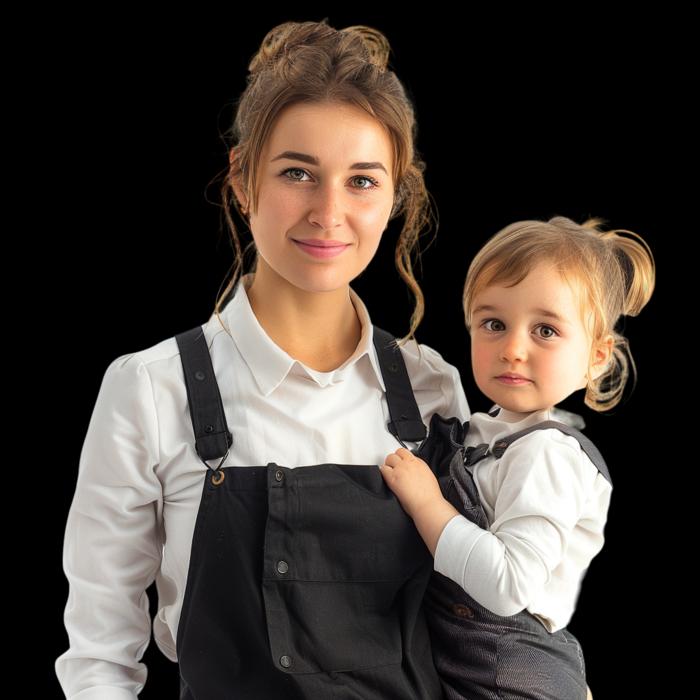


A nanny looks after children in their own home, becoming a trusted part of family life. The job is hands-on and rewarding. You spend your days caring for, playing with and helping children grow at every stage of their development.
Each day is different. You might start by getting the kids ready for school, then run craft activities in the afternoon. You prepare meals, manage bedtime routines and keep children engaged with fun, purposeful play. No two families are the same, so the role keeps you on your toes.
To work as a nanny in Australia, you need a Working with Children Check. The name varies by state or territory. Many nannies also hold the Certificate III in Early Childhood Education and Care (CHC30121). First aid and CPR certification are standard must-haves.
Around 7,100 nannies work in Australia, with a median age of just 27 (Jobs and Skills Australia, 2025). Most work part-time, which makes the role flexible and popular with people at different life stages. If you love working with children and want a career that genuinely matters, nannying is worth exploring.


Career Outlook for Nanny
The nanny profession is a small but steady field in Australia. Jobs and Skills Australia (2025) reports around 7,100 nannies working nationally. Most are women (98%), and the median age is just 27. Around 78% work part-time, with full-time nannies averaging 42 hours per week.
Demand for nannies is linked to household income and the number of working parents. As more Australian families have two working parents, the need for reliable in-home childcare continues to grow. Pay ranges from around $55,000 to $105,000 per year (SEEK, June 2026). The $65,000 to $85,000 band is most common for experienced nannies. Those with formal qualifications and strong references earn at the higher end.
About the author

Laura Atkinson is an Account Management and SEM specialist at Course Finder Group with six years' experience in the Australian education sector. She works day to day with universities, TAFEs and independent training providers, which gives her a close view of how courses map to real career outcomes. She writes practical guidance on career pathways, choosing the right qualification and what to expect when moving into a new field.