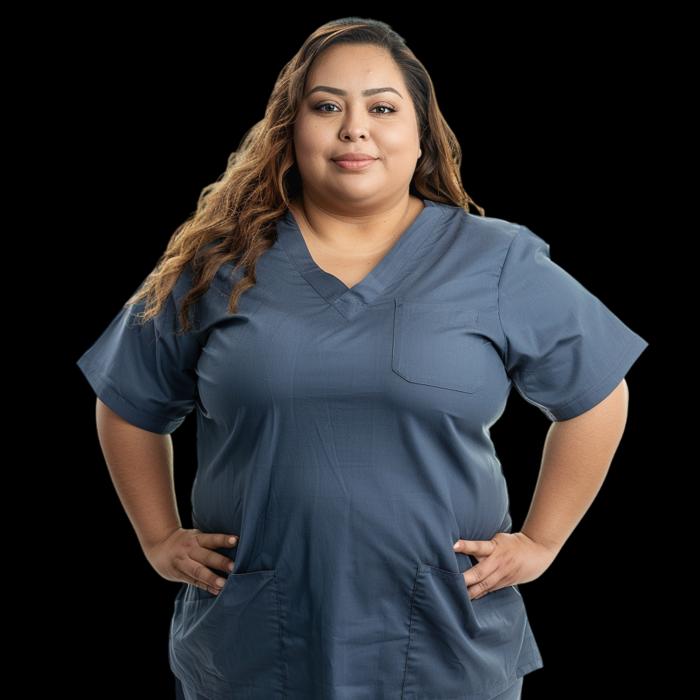
How to Become A Nursing Educator



A Nursing Educator teaches and inspires the next generation of nurses. They design, deliver, and review nursing programs in universities, hospitals, and training centres. If you love nursing and want to share that passion, this could be the perfect path for you.
Day to day, Nursing Educators run workshops, create learning materials, and mentor students on clinical placements. They stay up to date with health care changes to keep their teaching fresh and evidence-based. They check how well their programs work and make improvements over time.
The role goes beyond the classroom. Nursing Educators work with health organisations to link education to real-world practice. They also take part in policy discussions that shape nursing standards across the country.
It is a career with a double impact. The nurses you teach and the patients they care for will both benefit. With the right qualifications and a few years of clinical experience, you can build a fulfilling career in nursing education.


Career Outlook for Nursing Educator
Nursing Educators are in strong and growing demand across Australia. Jobs and Skills Australia reports around 9,000 Nurse Educators and Researchers currently employed (Jobs and Skills Australia, February 2026). That number is set to grow from 8,800 in May 2025 to 9,900 by May 2030 (Jobs and Skills Australia, 2025). The field is 82% female with a median age of 41 years.
Most Nursing Educators work full-time, averaging 41 hours per week (Jobs and Skills Australia, 2025). Part-time roles make up 33% of the workforce. Median full-time weekly pay is $2,732, around $142,000 per year (ABS Survey of Employee Earnings and Hours, May 2025). Queensland, Victoria, and New South Wales have the most roles nationally.
The outlook for new Nursing Educators is positive. Australia’s health system needs well-trained nurses. This keeps demand for qualified educators high. Most roles need at least a bachelor degree, and over 54% of those in the field hold a postgraduate degree (Jobs and Skills Australia, 2025).
About the author

Laura Atkinson is an Account Management and SEM specialist at Course Finder Group with six years' experience in the Australian education sector. She works day to day with universities, TAFEs and independent training providers, which gives her a close view of how courses map to real career outcomes. She writes practical guidance on career pathways, choosing the right qualification and what to expect when moving into a new field.