How to Become A Personal Care Assistant
15 Courses
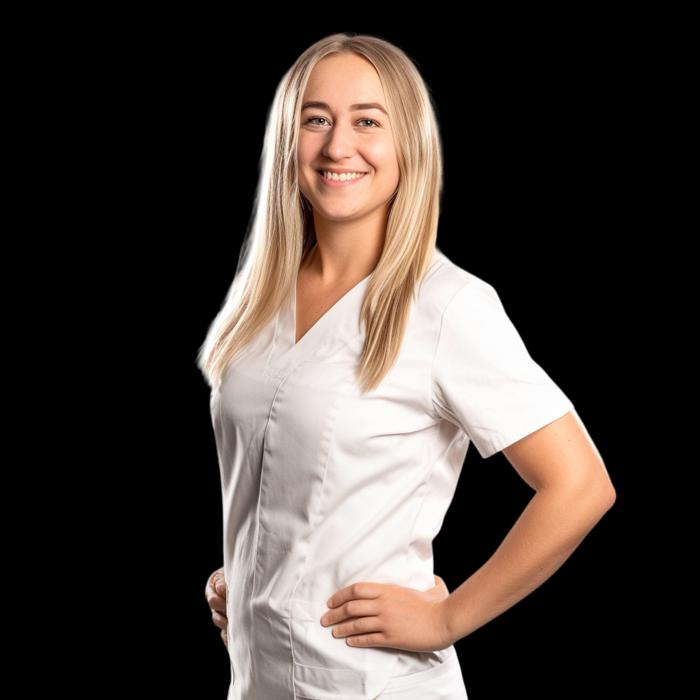





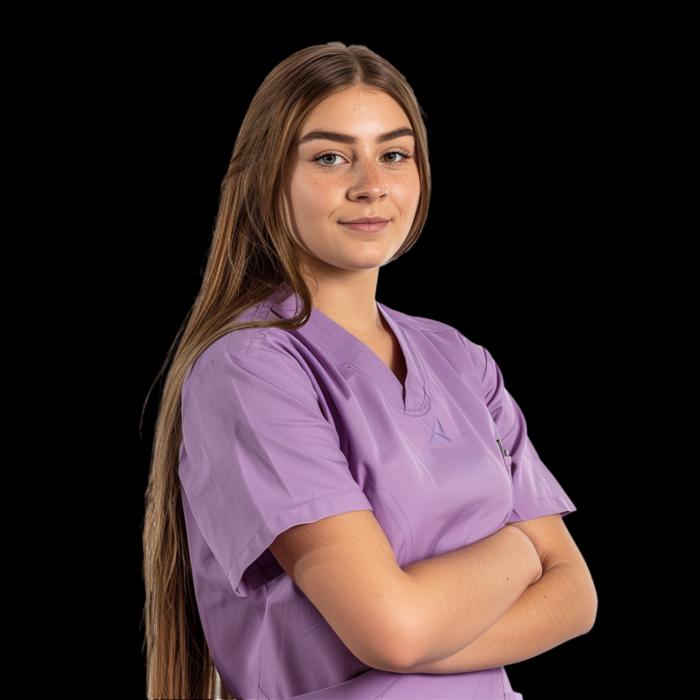
A Personal Care Assistant (PCA) helps people with their everyday needs. Clients include older adults and people living with illness or disability. PCAs work in aged care homes, private houses, and hospitals across Australia.
Day to day, PCAs assist with bathing, dressing, eating, and getting around. They follow care plans set up by the healthcare team. They keep a close eye on clients and report any changes in health or behaviour. It is active, hands-on work that makes a real difference each day.
PCAs also support their clients’ social and emotional well-being. They help run activities, offer company, and support clients to stay connected with family and community. For people who enjoy working with others, this part of the job can be very rewarding.
There are strong career pathways in this field. With a Certificate III in Individual Support (CHC33021), people can enter the workforce quickly. The sector is growing fast, driven by Australia’s ageing population. Those who want to go further can study towards a Certificate IV or move into nursing support roles.


Career Outlook for Personal Care Assistant
A career as a Personal Care Assistant offers real job security and a chance to make a positive impact. Around 42,300 Australians currently work in this role (Jobs and Skills Australia, ABS 2021 Census). About 67% work part-time, so the role suits many different life stages. The median age of PCAs is 43, and the workforce is 86% female. Full-time workers average 42 hours per week.
The Australian Government rates future demand for this occupation as Very Strong (Your Career, 2025). An ageing population means more PCAs will be needed in the years ahead. New positions are being created in both residential aged care and in-home support. This makes it a great time to enter the field and build a long-term career in care.
About the author

Laura Atkinson is an Account Management and SEM specialist at Course Finder Group with six years' experience in the Australian education sector. She works day to day with universities, TAFEs and independent training providers, which gives her a close view of how courses map to real career outcomes. She writes practical guidance on career pathways, choosing the right qualification and what to expect when moving into a new field.