Steps to Become a Photographer
Step 1: Explore Photography and Learn the Basics
Start by using a camera as often as you can. Learn the key settings: aperture, shutter speed, and ISO. Try different lighting and subjects. Many photographers build early skills through self-study, online tutorials, and local photography clubs before formal study.
Step 2: Complete the Certificate IV in Photography and Digital Imaging (CUA41120)
Enrol in the Certificate IV in Photography and Digital Imaging (CUA41120) at a TAFE or RTO. This qualification takes 1–2 years part-time and covers camera use, lighting, composition, and digital editing. It is the most common entry-level qualification for photographers in Australia.
Step 3: Advance with the Diploma of Photography and Digital Imaging (CUA50925)
For more advanced roles, complete the Diploma of Photography and Digital Imaging (CUA50925) at a TAFE or RTO. This takes 1–2 years and builds skills in commercial photography, studio work, and digital imaging. Confirm the current code at training.gov.au before enrolling.
Step 4: Build a Strong Portfolio
Put together a portfolio of your best work during and after your studies. Focus on a niche that suits your goals, such as weddings, commercial work, or portraits. A clean, well-edited portfolio is your main tool for attracting clients and employers.
Step 5: Gain Real-World Experience and Start Your Career
Assist an experienced photographer, take on freelance jobs, or apply for studio assistant roles. Hands-on work helps you build skills and grow your network. Most photographers spend at least a year in junior roles before going out on their own.
A photographer’s day is a mix of creative work and practical tasks. It starts with a client chat to understand what images are needed and why. From there, photographers plan the shoot, pick their gear, and head to the studio or location. On the day, they control lighting, adjust camera settings, and frame each shot to tell a visual story. Back at the desk, they edit the best shots using Lightroom or Photoshop to produce the final images. Many also handle the business side, including sending quotes, booking clients, and managing files.
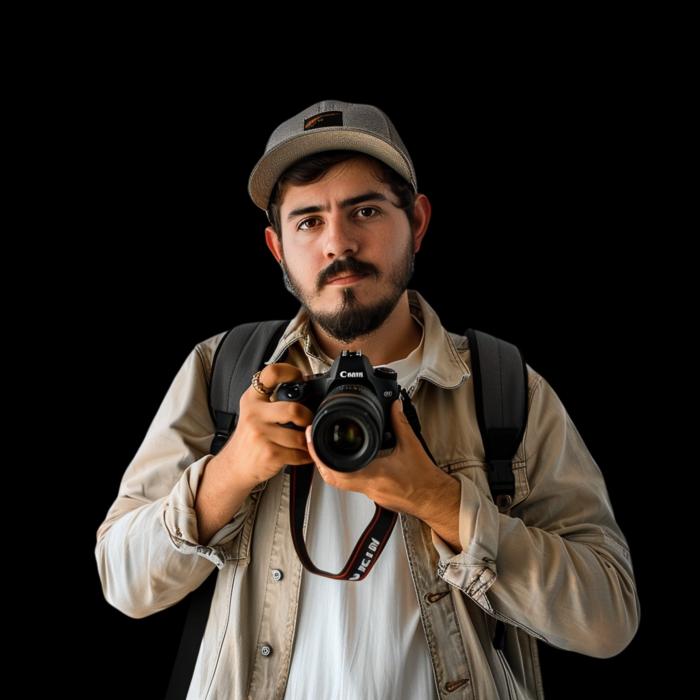
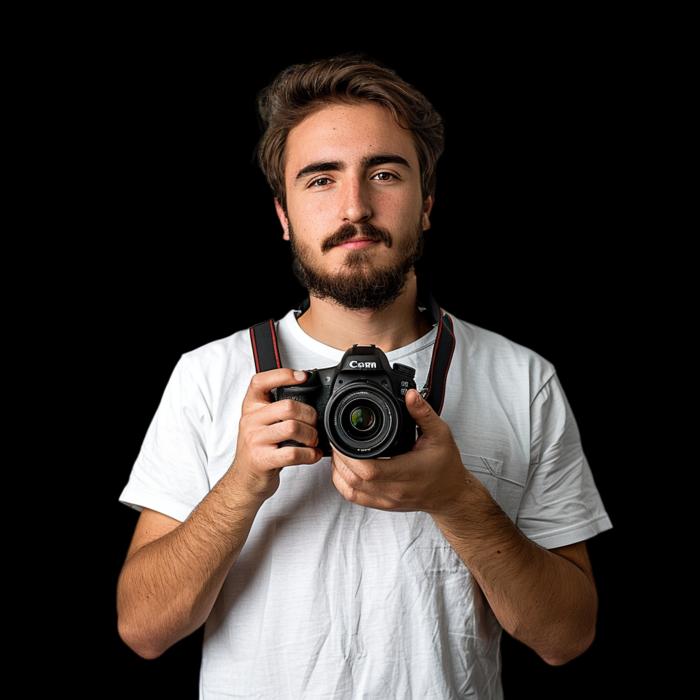
Photographers are visual storytellers who work with cameras, lighting, and editing tools to create images for clients. They work in studios and on location, producing work for events, advertising, real estate, and media. The role blends creative vision with strong technical and business skills.
- Consulting with clients – meeting clients to understand the goals and requirements of each shoot.
- Reviewing assignment briefs – assessing the project and selecting the right camera, film, filters, and lighting.
- Setting up equipment – transporting and arranging gear at studios and on-location sites.
- Measuring light levels – checking conditions to determine the correct exposure settings.
- Adjusting camera settings – modifying angles, aperture, and subject position to get the best shot.
- Enhancing lighting – adjusting light sources and filters to highlight features and improve tones.
- Processing film – mixing chemicals, developing film, and producing prints where required.
- Editing images – using digital tools and editing software to refine and improve photographs.
- Producing enlarged prints – making larger versions of selected images for mounting and display.
Photography blends creative and technical know-how. You need to grasp camera settings, lighting, and composition to get great shots. Editing tools like Adobe Photoshop and Lightroom are used in almost every photography job.
Strong people skills matter too. Building a good link with clients and subjects makes shoots run smoothly. As the field changes fast, keep curious and keep learning. Picking up new skills will help you grow and stay relevant.