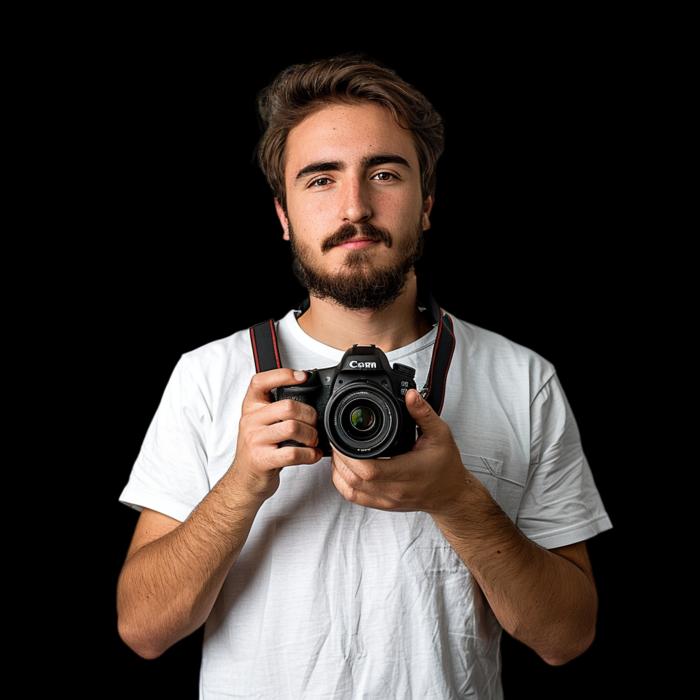
How to Become A Photojournalist
1 Courses
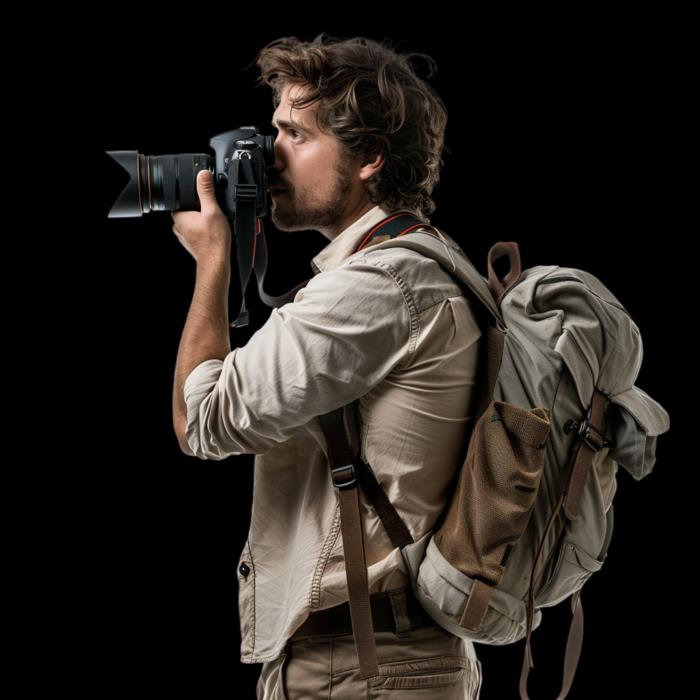



A photojournalist captures photos that tell news stories. They are journalists who work with images as their main tool. It is a career that combines a love of photography with a drive to inform and connect with people.
Each day looks different. You might cover a protest, a bushfire, a sporting event, or a human-interest story. You work alongside reporters and editors. Your job is to capture images that fit the story and tell the truth of what happened.
Beyond shooting, you will edit your images, write captions, and pitch story ideas. Strong news sense and quick thinking are as important as your camera skills.
Photojournalism is a competitive field, but it is also one of the most exciting careers in media. Love being where the story is? Want your images to matter? Photojournalism could be right for you.

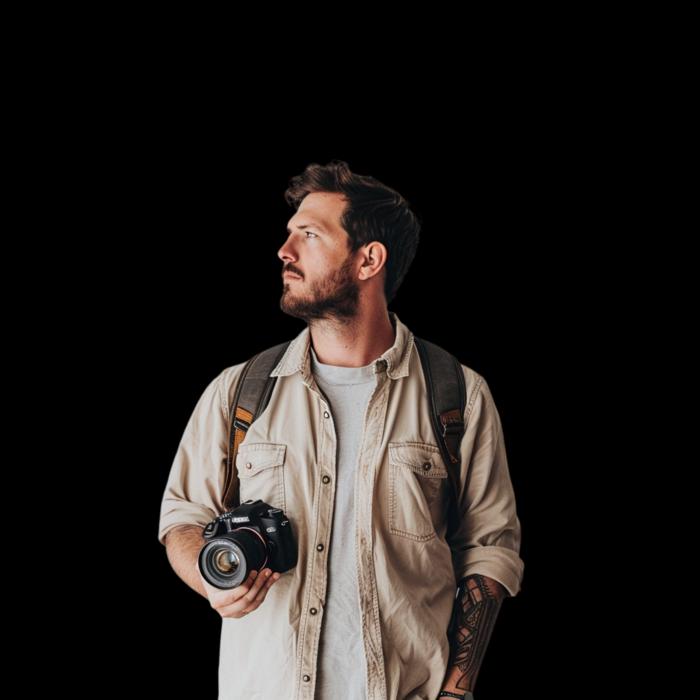
Career Outlook for Photojournalist
Photojournalism in Australia keeps evolving as media outlets adapt to digital platforms. Demand is moderate and ongoing, with growth driven by online news, social media content teams, and documentary work. Broadcast and wire service roles are also active sources of work (Jobs and Skills Australia, 2025).
Most photojournalists reach senior roles in their late 20s to 40s. They typically spend their early years as cadets or freelancers. Staff photographers usually work around 40 hours a week. Freelancers often work irregular hours tied to news cycles. Many combine staff roles with personal projects and corporate photography to build income.
Career growth tends to move from cadet or junior photographer to senior photographer, picture editor, or specialist documentary photographer. Some photojournalists move into multimedia roles or photo agency work as their careers grow. The skills built in photojournalism also open doors to commercial photography, film, and communications work.
About the author

Laura Atkinson is an Account Management and SEM specialist at Course Finder Group with six years' experience in the Australian education sector. She works day to day with universities, TAFEs and independent training providers, which gives her a close view of how courses map to real career outcomes. She writes practical guidance on career pathways, choosing the right qualification and what to expect when moving into a new field.