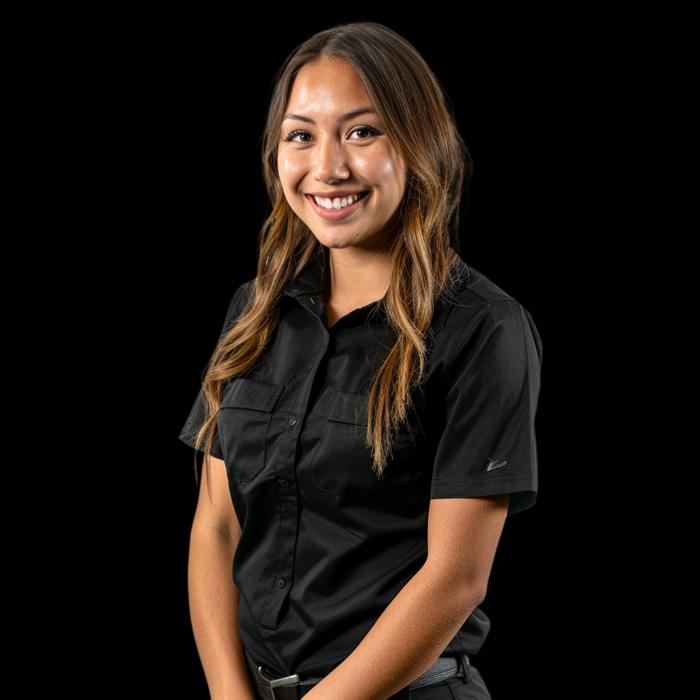
How to Become A Physiologist



An exercise physiologist helps people get healthier through science-based exercise programs. They work with a wide range of health conditions. These include cardiovascular disease, diabetes, arthritis and mental health disorders. Their role is to assess, plan and guide exercise in a way that is safe and effective for each person.
Exercise physiologists are university-qualified allied health professionals, accredited by Exercise and Sports Science Australia (ESSA). That means their services are covered under Medicare, the NDIS, and many private health plans. They work in hospitals, rehab centres, gyms, sports clubs and community health services.
No two days are the same in this job. You might test someone’s fitness after a heart attack. Or design a strength program for a person with type 2 diabetes. You might also help an older adult stay mobile and independent. You work with patients over time, tracking progress and adjusting the plan as they improve.
The career is growing fast. Australia had more than 7,800 accredited exercise physiologists in 2024, up from about 5,100 in 2018 (ESSA, 2024). The Australian Government rates future demand as strong. It is a great time to enter this field.

Career Outlook for Physiologist
The outlook for exercise physiologists in Australia is strong. The accredited workforce grew from about 5,100 in 2018 to more than 7,800 in 2024 (ESSA, 2024). The Australian Government rates future demand as strong. This is driven by more people living with chronic disease and an ageing population. Growth in NDIS funding for allied health is also pushing demand.
The workforce is youthful and diverse. The median age is 29, and women make up 52% of all exercise physiologists (Jobs and Skills Australia). About 62% work full-time, averaging 41 hours a week. Pay is around $85,000 a year on average (SEEK, 2025). Part-time and casual roles are also available, giving flexibility at different life stages.
About the author

Laura Atkinson is an Account Management and SEM specialist at Course Finder Group with six years' experience in the Australian education sector. She works day to day with universities, TAFEs and independent training providers, which gives her a close view of how courses map to real career outcomes. She writes practical guidance on career pathways, choosing the right qualification and what to expect when moving into a new field.