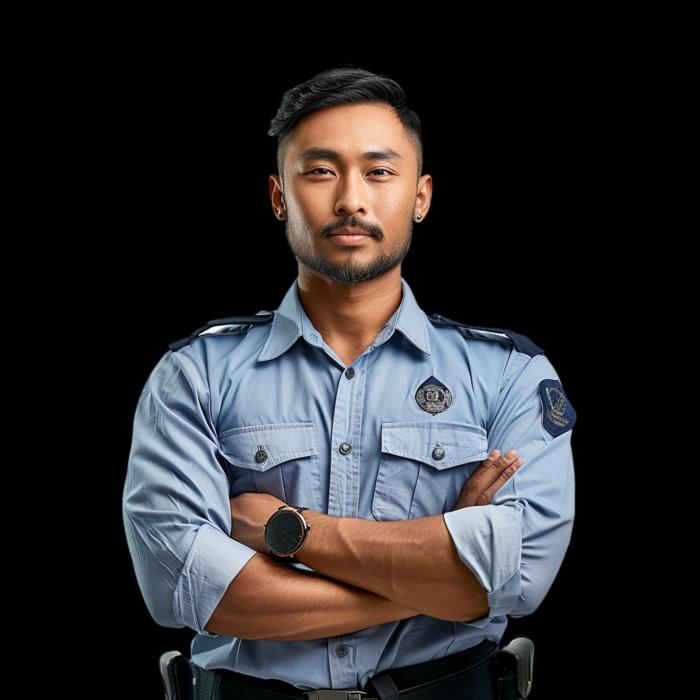
Steps to Become a Probation Officer in Australia
Step 1: Complete the Diploma of Community Services (CHC52021) or a Relevant Degree
Most probation officer roles require a formal qualification. Complete the Diploma of Community Services (CHC52021) at a TAFE or registered training organisation (RTO). This takes 12 to 24 months full-time and covers case management, legal rules, and client support planning. If you prefer a university path, consider a Bachelor of Social Work, Criminology, or Justice Studies. This takes three years full-time and may open doors to senior roles sooner.
Step 2: Gain Experience in Community Services or the Justice Sector
Build real-world experience before you apply for probation officer roles. Volunteer or work in community services, youth justice, social work, or corrections. Many probation officers start in roles such as youth support worker or case manager. This hands-on work helps you understand client needs and how the justice system works.
Step 3: Check Your State or Territory Entry Requirements
Each state and territory runs its own community corrections service. Check the entry rules for the state you want to work in. Common requirements include Australian citizenship or permanent residency, a valid driver’s licence, and a clear criminal history. Some states also require a Working with Vulnerable People check or an equal clearance.
Step 4: Apply for a Position and Pass Pre-Employment Screening
Once you meet the entry criteria, apply through your state’s corrections department. Selection usually includes written tests, interviews, and reference checks. All candidates must pass a national police check and, in some places, a mental health review. The process can take several months.
Step 5: Complete On-the-Job Training and Induction
New probation officers complete a set induction run by their employer. Training covers case tools, risk review methods, report writing, and relevant laws. Expect four to twelve weeks of pre-service training before you take on your own caseload. Ongoing training continues throughout your career.
Step 6: Build Expertise Through Specialisation or Further Study
As you gain experience, you can focus on areas such as youth justice, substance misuse, or mental health work. Consider a Graduate Certificate in Criminology or a Master of Criminal Justice to move into senior or policy roles. Development resources are available through state corrections departments and the Australian Institute of Criminology.
Each day as a probation officer starts with reviewing case files and planning client meetings. These meetings can take place in an office or out in the community. During each session, the officer checks how a client is meeting their court conditions. These might include attending a rehab program or staying in work. If a client is struggling, the officer helps connect them with the right services. There is also a lot of writing: reports, case notes, and letters to courts and other agencies. By balancing close supervision with practical support, probation officers help people stay on track and reduce the risk of reoffending.
Probation officers supervise people on probation or parole and support them to return to the community. The job is a mix of direct client work, coordination with other services, and detailed record-keeping. If you enjoy helping people and want a role with real purpose, this one delivers.
- Supervise offenders on probation and parole – check in regularly and confirm clients meet their court-ordered conditions.
- Assess clients’ needs – conduct interviews to understand each person’s risks, challenges, and goals.
- Develop and implement support programmes – create plans covering education, training, and rehab.
- Monitor and report on client progress – track outcomes and write reports for courts and other stakeholders.
- Refer clients to additional support services – connect clients with housing, health, and work agencies.
- Complete administrative tasks – maintain case files, written letters, and accurate records of all interactions.
To thrive as a probation officer, you need strong people skills and a solid grasp of the justice system. Good written and spoken communication is a must. You will be writing court reports, meeting clients, and working with other agencies every day.
Empathy is one of the most important traits in this role. You will often work with people facing mental health issues, substance use problems, or other tough challenges. Building real trust with clients leads to better outcomes for everyone.
On the practical side, good organisation is key to managing your caseload and meeting deadlines. Problem-solving helps when things change and plans need to shift. Resilience rounds it out. This is a demanding role, but an incredibly rewarding one.