Steps to Become a Residential Care Officer
Step 1: Get Your Required Clearances and Certifications
Before you start working in residential care, you must hold three key items. First, get a Working with Children Check (WWCC). The name and process vary by state, but all states require one. Second, get a National Police Check. Third, complete the First Aid qualification HLTAID011 Provide First Aid, available at any registered RTO in one day. Apply for these early, as police checks can take a few weeks to process.
Step 2: Complete a Certificate III in Individual Support (CHC33021)
Enrol in the Certificate III in Individual Support (CHC33021) at a TAFE or registered RTO. This qualification takes 6 to 12 months full-time and covers person-centred care, communication, and supporting client independence. Most programs include a guided work placement in a real care setting. This is the most common entry-level qualification for Residential Care Officer roles across Australia.
Step 3: Build Experience in a Residential Care Setting
After finishing your Certificate III, apply for support worker roles in group homes, youth care facilities, or disability services. Aim to build at least 12 months of hands-on experience. Real-world practice builds your confidence, improves your care skills, and helps you meet the standards for more senior positions. Volunteering with community service groups can also help you build useful networks.
Step 4: Complete a Certificate IV in Community Services (CHC42021)
Progress to the Certificate IV in Community Services (CHC42021) at a TAFE or RTO. This takes 12 to 18 months part-time and covers case management, working with complex needs, and client advocacy. Many government and community sector employers require this qualification for Residential Care Officer positions. The Certificate IV builds directly on the skills you gained in your Certificate III and work experience.
Step 5: Advance with a Diploma of Community Services (CHC52021)
For senior or team leader roles, complete the Diploma of Community Services (CHC52021) at a TAFE, university, or registered RTO. The Diploma takes 18 months to 2 years part-time. It covers leadership, complex case management, and sector-level policy. The Diploma also meets the minimum standard for a skills assessment by Community Work Australia (communitywork.org.au). This is relevant for professional recognition and migration pathways.
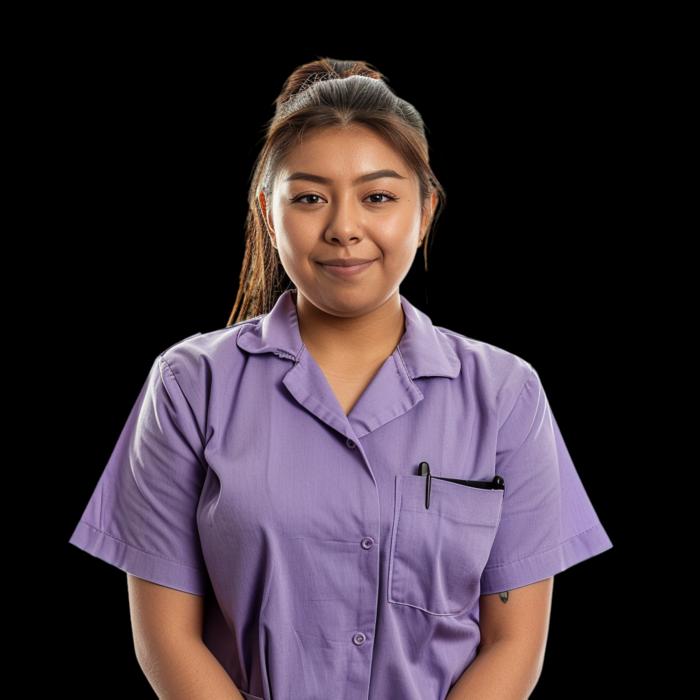
A Residential Care Officer cares for and supervises children or people with disability in group homes and care institutions. It is an active, people-centred role. Officers assess what each client needs, then design support plans and run programs to meet those needs. They check in on client progress and write up case notes. Officers also stay in touch with families and care staff to keep everyone in the loop. The goal is to create a safe, supportive space where every client can grow and thrive.
Residential Care Officers play a hands-on role in supporting children and people with disability in group homes and care institutions. They use a mix of practical skills, empathy, and structure to help clients live well and reach their goals.
- Care for families and clients: provides education and care for children and people with disability in group homes.
- Assess client needs: works out what each client needs and builds a support plan to match.
- Run programs: plans and delivers educational and training programs based on individual client goals.
- Monitor progress: checks in on how clients are going and writes clear, regular progress reports.
- Conduct interviews: talks with clients to learn about their challenges and gather information for assessments.
- Work with professionals: joins forces with social workers, healthcare staff, and educators to coordinate care.
- Keep records: maintains accurate records of client interactions, care plans, and any incidents.
- Provide emotional support: offers emotional support and guidance to help clients work through challenges.
To do well as a Residential Care Officer, you need a genuine passion for helping people. You also need a set of practical skills to back it up. The most important skill is empathy. It helps you connect with clients and understand what they really need.
Good communication is also a must. You will talk with clients, families, social workers, and healthcare staff every day. Being clear, calm, and easy to understand makes a real difference. Active listening is just as important as speaking up.
Staying organised is key in this role. You will manage support plans, write case notes, and track client progress. Problem-solving matters too, since no two clients are the same. Being flexible and resilient helps you handle the unexpected.
The more you learn, the better you become. Picking up skills in mental health support, trauma-informed care, and cultural awareness will set you apart. Many employers offer on-the-job training, so you will keep growing in the role.