Compare courses from top Australian unis, TAFEs and other training organisations.

How to Become A Safety Manager

2 Courses

Icon representing Safety Manager career
Displaying 2 of 2 courses
What is a Safety Manager

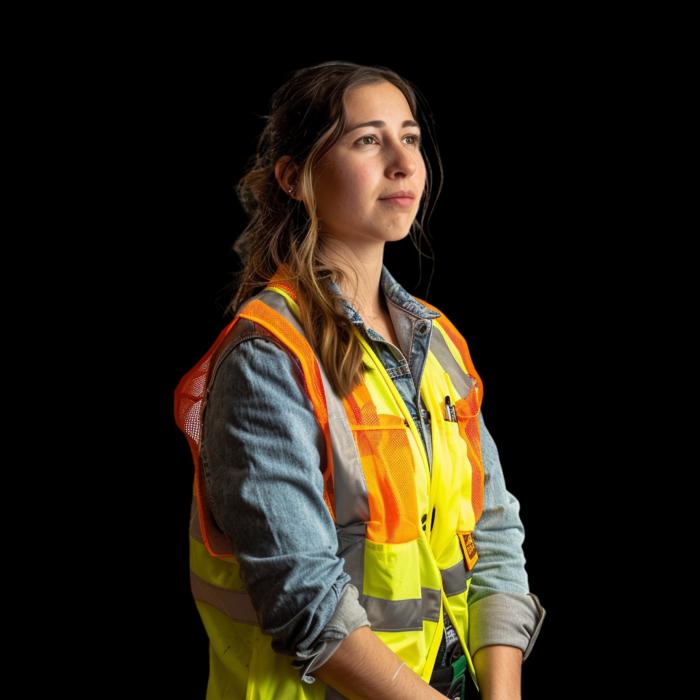
A Safety Manager is the person at work who makes sure everyone goes home safe. They build safety programs and find hazards before they cause harm. They also train teams on what to do if things go wrong. It is a hands-on role with real impact across every industry in Australia.

Safety Managers investigate incidents, run audits, and write the policies that guide safe behaviour at work. They talk to workers on the floor and report to senior leaders on safety performance. No two days look exactly the same, which makes it an exciting and varied career.

You will find Safety Managers in construction, mining, hospitals, factories, and government agencies. Around 20,600 people work in this occupation nationally (ABS Census 2021). Demand is listed as strong for the future (yourcareer.gov.au, 2025).

If you enjoy problem-solving and care about people, safety management is worth a serious look. Entry-level roles start with a Certificate IV in Work Health and Safety (BSB41419). Senior roles reward those who go on to complete a diploma or degree.


Find online and in-person WHS courses

The outlook for Safety Managers in Australia is strong. yourcareer.gov.au (2025) rates future demand for this occupation as strong. New infrastructure projects, tighter WHS laws, and a growing focus on mental health at work are all pushing demand up. Around 20,600 people work in this occupation nationally (Jobs and Skills Australia, ABS Census 2021), and that number is expected to grow.

The median age in this field is 45. Around 83% of Safety Managers work full-time. They average 45 hours per week (Jobs and Skills Australia, 2021). Most roles are permanent. Only 17% of the workforce works part-time, which points to a stable field with ongoing employment. Women make up 45% of Safety Managers, and that share is rising.

Starting salaries for WHS coordinators run from $75,000 to $90,000 a year. Experienced Safety Managers earn around $111,020 on average (yourcareer.gov.au, 2025). Senior roles in construction, mining, and government can reach $140,000 or more (SEEK, 2025). Strong demand, good pay, and a clear career ladder make this a smart choice for people starting out today.

Steps to Become a Safety Manager

Step 1: Complete the Certificate IV in Work Health and Safety (BSB41419)

Start with the Certificate IV in Work Health and Safety (BSB41419) at a TAFE or registered training organisation (RTO). This takes around 12 months part-time. It covers WHS laws, risk assessment, hazard identification, and incident reporting. It is the recognised entry-level qualification for WHS roles in Australia. Most trainee and coordinator positions list it as a requirement.

Step 2: Build practical experience in a WHS role

Apply for work as a WHS Coordinator, Safety Officer, or Safety Adviser. Most employers want one to two years of hands-on experience before hiring a Safety Manager. Use this time to run audits, support incident investigations, and deliver safety inductions. Real-world experience builds credibility and practical skills fast.

Step 3: Complete the Diploma of Work Health and Safety (BSB51319)

Enrol in the Diploma of Work Health and Safety (BSB51319) at a TAFE or RTO. This takes around 12 to 18 months part-time. It covers WHS program management, contractor safety, compliance systems, and return-to-work processes. Most Safety Manager roles list this diploma as a minimum or preferred qualification. Many providers offer online study so you can keep working.

Step 4: Consider a bachelor degree for senior roles

For large organisations, government agencies, or high-risk industries like mining or construction, a bachelor degree adds weight to your application. Choose Occupational Health and Safety, Environmental Health, or a related field. Degrees take three years full-time at a university. Some employers accept the diploma plus strong experience instead.

Step 5: Join the Australian Institute of Health and Safety (AIHS)

Apply for membership with the AIHS at aihs.org.au. The AIHS is the national body for WHS practitioners. It offers networking and professional development. It also gives access to the Certified WHS Professional (CWHSP) credential. Membership shows employers you follow the profession’s Body of Knowledge.

Step 6: Keep your professional development current

WHS laws change, and Safety Managers must keep pace. Attend industry events and complete short courses in psychosocial hazard management or safety leadership. Read updates from Safe Work Australia at safeworkaustralia.gov.au. Many employers require a set number of CPD hours each year. Staying current keeps your skills sharp and your membership valid.

What does a Safety Manager do?

A Safety Manager keeps workers safe and helps the business meet its WHS legal duties. They run risk assessments to spot hazards early. They write safety policies and train workers on how to stay safe. When something goes wrong, they lead the investigation and fix the root cause. They track safety data and prepare reports for management. They also check the business is meeting its duties under Australian WHS laws. Good communication matters as much as technical skill in this role.

Tasks

Safety Managers keep workers safe and help organisations meet their WHS legal duties. The job blends technical knowledge with people skills, and no two days are the same. Here is what the role looks like on a typical week.

  • Run risk assessments: find hazards, rate the risk, and put the right controls in place.
  • Write and update safety policies: make sure procedures reflect current WHS laws and industry standards.
  • Deliver training: teach workers about hazards, emergency procedures, and safe work methods.
  • Investigate incidents: find the root cause of accidents and near misses, then fix the problem.
  • Monitor compliance: check that the business is meeting its duties under WHS legislation.
  • Conduct safety audits: carry out regular inspections to review the effectiveness of safety programs.
  • Manage emergency plans: write, test, and improve evacuation and first-aid procedures.
  • Prepare safety reports: present performance data and trend analysis to managers.
  • Advise on new projects: review changes to work processes, equipment, or layouts for safety risks.
  • Support injured workers: help plan a safe and timely return to work after a workplace injury.

Skills for Success

To do well as a Safety Manager, you need both technical and people skills. You need to understand WHS laws and know how to run a risk assessment. You also need to bring workers and managers on board with safety. That takes good communication and a bit of patience.

Attention to detail helps you spot hazards that others miss. Good writing skills let you produce clear policies and reports. Problem-solving is key when you are looking into an incident or trying to cut a risk down. If you can stay calm under pressure, you will handle emergencies well. These skills all grow with experience.

Skills & Attributes

  • Knowledge of WHS legislation and codes of practice
  • Risk assessment and hazard identification
  • Incident investigation and root cause analysis
  • Safety policy and procedure writing
  • Training design and delivery
  • Safety audit and inspection skills
  • Clear written and verbal communication
  • Leadership and team influence
  • Data analysis and safety reporting
  • Emergency planning and management
  • Attention to detail
  • Problem-solving under pressure
  • Knowledge of safety management systems
  • Ability to work with people at all levels
  • Commitment to continuous improvement

The average yearly pay for a Safety Manager in Australia is around $111,020. This is based on a median of $2,135 per week (yourcareer.gov.au, 2025). Entry-level WHS roles start around $75,000 to $85,000. Experienced Safety Managers in construction and mining can earn $140,000 or more (SEEK, 2025). Pay rises with experience, industry, and study.