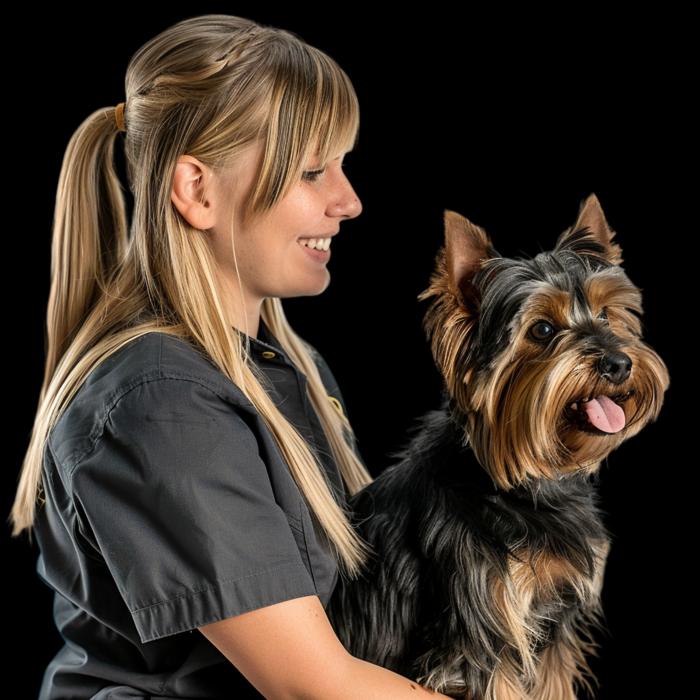
How to Become A Veterinary Nurse



The career of a Veterinary Nurse is both rewarding and dynamic, offering individuals the chance to work closely with animals and contribute to their health and well-being. Veterinary Nurses play a crucial role in veterinary practices, assisting veterinarians in various procedures and ensuring that animals receive the best possible care. This profession is perfect for those who have a passion for animals and a desire to make a positive impact in their lives.
In their daily routines, Veterinary Nurses are responsible for a variety of tasks that keep the veterinary practice running smoothly. They hold animals during examinations, prepare surgical instruments, and assist in administering anaesthetics. Additionally, they monitor the recovery of animals post-surgery, ensuring they are comfortable and stable. This hands-on involvement not only requires technical skills but also a compassionate approach, as they often provide comfort to both the animals and their owners during stressful times.
Beyond clinical duties, Veterinary Nurses also engage in administrative tasks, such as maintaining stock control and managing patient records. They may provide valuable advice to pet owners regarding animal care and health, helping to educate them on best practices. This aspect of the role allows Veterinary Nurses to build strong relationships with clients, fostering a sense of community and trust within the practice.
Overall, a career as a Veterinary Nurse is an excellent choice for those who are dedicated to animal welfare and enjoy a fast-paced, varied work environment. With opportunities for professional development and the chance to make a real difference in the lives of animals and their owners, this career path is both fulfilling and impactful.


Career Outlook for Veterinary Nurse
A career as a Veterinary Nurse is both rewarding and dynamic, appealing to those who have a passion for animal care. The median age of Veterinary Nurses in Australia is 27, indicating that many individuals in this field are relatively young and enthusiastic about their roles. Typically, Veterinary Nurses work around 40 hours per week, with a significant portion of the workforce engaged in part-time positions, reflecting the flexibility that this career can offer. Employment opportunities are available in both permanent and casual roles, catering to a variety of lifestyle preferences.
The veterinary nursing profession is predominantly female, with women making up 96% of the workforce. While the current unemployment rate in this field is relatively low, the industry has seen a slight decline in annual employment growth, with a reported decrease of 200 positions. However, the future outlook for Veterinary Nurses remains positive, as the demand for animal care continues to grow, driven by an increasing number of pet owners and advancements in veterinary medicine. This suggests that opportunities for aspiring Veterinary Nurses will likely expand in the coming years, making it an exciting time to enter the field.