How to Become A Virtual Reality Designer
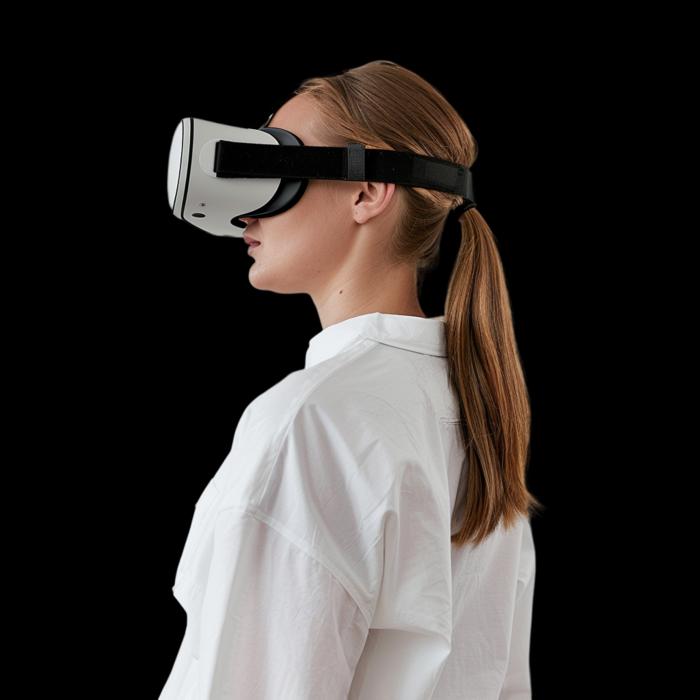


The career of a Virtual Reality Designer is an exciting and innovative path that merges creativity with cutting-edge technology. These professionals are at the forefront of designing immersive experiences that transport users into virtual worlds, whether for gaming, education, training, or therapeutic applications. By leveraging their artistic vision and technical skills, Virtual Reality Designers create engaging environments that captivate and inspire users, making this a highly rewarding career choice for those passionate about technology and storytelling.
In their day-to-day work, Virtual Reality Designers are responsible for conceptualising and developing virtual environments, characters, and interactive elements. They collaborate closely with other team members, including game developers, 3D artists, and sound designers, to ensure a cohesive and immersive experience. Common tasks include creating 3D models, designing user interfaces, and scripting interactions within the virtual space. They also conduct user testing to gather feedback and refine their designs, ensuring that the final product is both functional and enjoyable.
As technology continues to evolve, Virtual Reality Designers must stay updated on the latest trends and tools in the industry. This often involves learning new software, exploring emerging technologies like augmented reality, and experimenting with different design techniques. The role is not only about technical skills but also about understanding user experience and how to evoke emotions through virtual interactions. This blend of creativity and technology makes the career both dynamic and fulfilling, offering endless opportunities for growth and innovation.
For those considering a career in this field, a background in graphic design, computer science, or a related discipline can be beneficial. However, what truly sets successful Virtual Reality Designers apart is their passion for creating immersive experiences and their willingness to push the boundaries of what is possible in virtual environments. With the increasing demand for virtual reality applications across various sectors, this career path promises to be both exciting and impactful in shaping the future of digital interaction.


Career Outlook for Virtual Reality Designer
A career as a Virtual Reality Designer is an exciting opportunity for those passionate about technology and immersive experiences. Typically, individuals in this role are in their late 20s to early 30s, with an average age around 30. They often work in a full-time capacity, averaging about 40 hours per week, although project deadlines may require additional hours. Employment can be permanent or contract-based, depending on the company and specific projects. The unemployment rate in this field is relatively low, reflecting the growing demand for skilled professionals in the tech industry.
The future growth of the Virtual Reality sector is promising, with predictions indicating a significant increase in job opportunities over the next decade. As industries such as gaming, education, healthcare, and real estate continue to adopt VR technology, the need for talented designers who can create engaging and effective virtual environments will only rise. This trend presents a fantastic opportunity for young professionals looking to make their mark in a cutting-edge field that blends creativity with technology.