Steps to Become a Dancer
Step 1: Build Your Foundation with Formal Dance Training
Start with regular classes in your chosen dance style as early as possible. Look for a reputable dance studio that teaches classical or contemporary technique. Most professional dancers begin training in childhood, but it is possible to start as a teenager or young adult. Focus on one or two core styles before expanding your repertoire.
Step 2: Complete the Certificate III in Dance (CUA30120)
Enrol in the Certificate III in Dance (CUA30120) at a TAFE or registered training organisation (RTO). This qualification takes around 12 months full-time and covers performance technique, body conditioning, and rehearsal skills. It is the standard entry-level VET qualification for those moving into professional or semi-professional dance work.
Step 3: Build Performance Experience Through Productions and Events
Take part in student productions, community dance companies, and local performance events. Each opportunity builds your stagecraft, confidence, and professional network. Many RTOs and dance schools run end-of-year showcases or community productions. Enter competitions and festivals to get feedback from industry professionals.
Step 4: Consider a Bachelor of Dance for Advanced Pathways
For roles in major dance companies or choreography, consider a Bachelor of Dance. Institutions such as WAAPA, the Victorian College of the Arts (VCA), and NAISDA Dance College offer strong programs. These programs take 3 years full-time and develop advanced technique, choreographic practice, and professional readiness.
Step 5: Begin Auditioning for Professional Companies and Productions
Begin auditioning for dance companies, musical theatre productions, and touring shows. Prepare a strong audition piece in your main style and tailor your approach to each company’s requirements. Keep a record of every audition as a learning experience. Persistence is key, as professional roles are competitive.
Step 6: Join Ausdance and Maintain Ongoing Professional Development
Become a member of Ausdance National, Australia’s peak body for professional dance. Membership gives you access to safe dance guidelines, industry resources, and professional development programs. Attend workshops, masterclasses, and industry events to keep your skills sharp and grow your network.
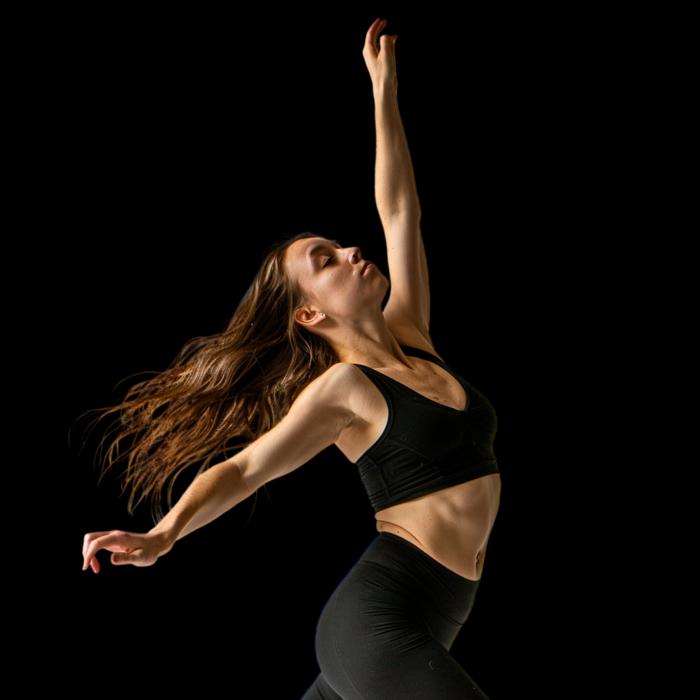
A dancer’s day starts with warm-ups and fitness work to get the body ready. Then comes the bulk of the day: rehearsals, working through routines with choreographers and fellow dancers. When a show is on, evenings are for performing. Dancers also audition for new roles, keep fit through cross-training, and travel to different venues. It is a full and active lifestyle for anyone who loves to move.
Being a dancer means bringing stories to life through movement every single day. Whether on stage, in a studio, or at events, dancers work hard to create performances that connect with people. Here is a snapshot of what the role involves:
- Practise and refine dance routines to interpret choreographic content
- Perform for live audiences using coordinated movement, expression, and musical timing
- Compose or contribute to original dance routines and choreographic works
- Create individual performance pieces that express personal style and skill
- Audition for dance companies, shows, and productions
- Travel between venues for rehearsals and performances
To do well as a dancer, you need physical skill, creativity, and the drive to keep getting better. Strong technique in your chosen dance style is a must. You also need fitness, flexibility, and the stamina to push through long rehearsals and tough shows.
Just as important are your soft skills. Dancers work closely with choreographers, directors, and fellow artists. Being a team player and taking direction well are key. Good time management across rehearsals and gigs is also vital. A positive attitude and grit go a long way in this tough field.