Compare courses from top Australian unis, TAFEs and other training organisations.

How to Become A Fitness Instructor

7 Courses
Career outcome icon – Fitness Instructor
Displaying 7 of 7 courses
What is a Fitness Instructor

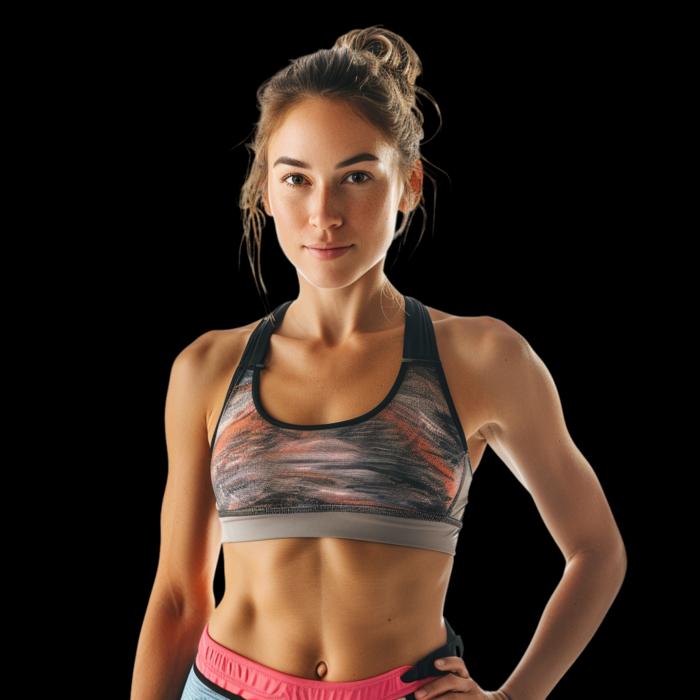
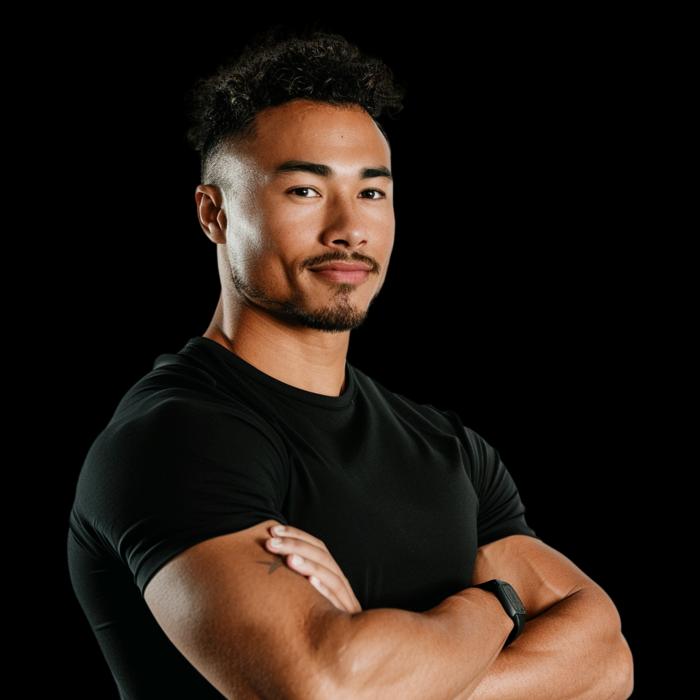
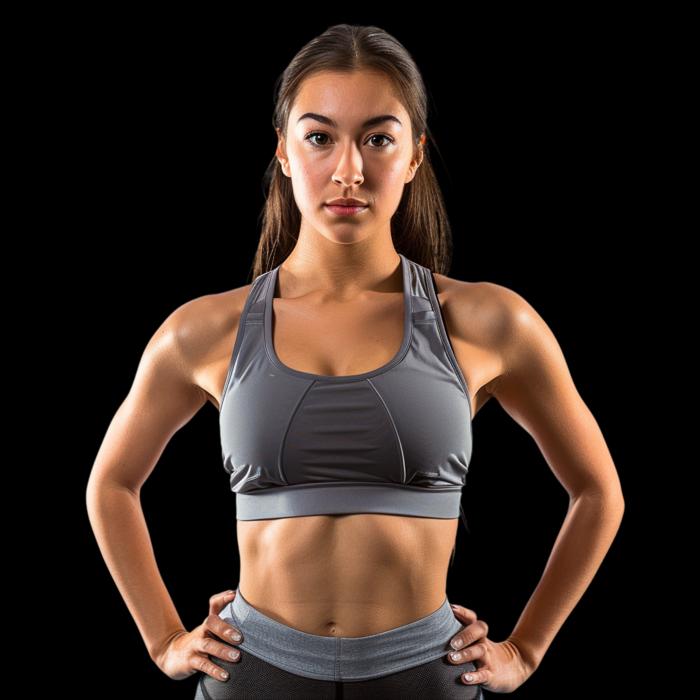
A Fitness Instructor helps Australians get fit, stay active, and feel their best. They design workout programs, lead group classes, and coach clients through every stage of their fitness journey. It is a career that combines physical energy with real impact on people’s lives.

No two days look the same for a Fitness Instructor. They assess each client’s fitness level and build a plan that suits them. Then they coach and motivate clients as they grow. From high-energy group classes to focused one-on-one sessions, the work is hands-on and full of variety.

Fitness Instructors also share knowledge on health, nutrition, and injury prevention. They keep up with the latest fitness trends and often team up with physios or other health professionals. The role rewards those who love movement and enjoy helping others succeed.

The career outlook is bright. Jobs and Skills Australia (2025) shows around 35,900 Fitness Instructors at work in Australia, with strong future demand. Steady annual growth of around 400 new positions makes this an exciting field to enter.

Compare courses and programs in Fitness

The career outlook for Fitness Instructors in Australia is positive. Jobs and Skills Australia (2025) records around 35,900 people working in this role. Future demand is rated as strong, with steady annual growth of around 400 new positions each year.

Fitness Instructors tend to work part-time or casual hours. Around 68% of those in this role work part-time (Jobs and Skills Australia, 2025). The median age is 36, and women make up 62% of the workforce. The median full-time weekly pay is $1,500, which is around $78,000 a year.

The growing focus on health and active lifestyles is driving ongoing demand for fitness professionals. Instructors who specialise in areas like group fitness, strength training, or corrective exercise have strong career prospects. With the right qualifications and experience, many become personal trainers, gym managers, or run their own businesses.

Steps to Become a Fitness Instructor

Step 1: Complete the Certificate III in Fitness (SIS30321)

Enrol in the Certificate III in Fitness (SIS30321) at a TAFE or registered training organisation (RTO). This qualification takes 6 to 12 months full-time. It covers exercise technique, fitness program delivery, and client safety. It is the entry-level qualification that lets you work as a gym instructor or group fitness instructor in Australia.

Step 2: Obtain Your First Aid and CPR Certification (HLTAID011)

Complete HLTAID011 Provide First Aid at a registered training organisation. This is a one-day course and covers CPR, emergency response, and basic life support. Most gyms and fitness facilities require this certificate before you start work. Renew it every three years to stay current.

Step 3: Register with AUSactive

Register as a fitness professional with AUSactive, Australia’s peak body for the exercise and active health sector. Registration shows employers and clients that you meet national industry standards. AUSactive offers registration tiers based on your qualification level, from gym instructor through to personal trainer and beyond.

Step 4: Gain Practical Experience

Build hands-on experience by working as a gym instructor at a fitness centre, community leisure centre, or council-run facility. Most training programs include a practical placement component. Use this time to develop your coaching skills and build your confidence on the gym floor. Learn how to manage different client types and adapt sessions to their needs. Six to twelve months of practical experience sets a strong foundation.

Step 5: Complete the Certificate IV in Fitness (SIS40221) to Become a Personal Trainer

To become a personal trainer or advance your career, enrol in the Certificate IV in Fitness (SIS40221). Complete this qualification at a TAFE or RTO. It takes 12 months full-time or up to 18 months part-time. It builds on the Certificate III with advanced skills in personal training, health screening, and program design for specific populations.

What does a Fitness Instructor do?

A Fitness Instructor’s day is active and varied, built around helping clients move better and feel great. They start by assessing each client’s fitness level and personal goals, then put together a workout plan that suits them. Throughout the day, they lead group classes, coach one-on-one sessions, and make sure everyone is using equipment safely. They stay on top of health and safety rules and update client records. They also keep their First Aid and CPR certifications current. It is a hands-on role where no two days are the same.

Tasks

Fitness Instructors guide clients and groups through exercise to help them reach their health and fitness goals. They design workouts, lead classes, and create a safe, encouraging space where everyone can thrive. The role combines physical activity with real connection and genuine impact on people’s lives.

  • Consulting with Health Professionals – Working with doctors, physios, and allied health staff to design appropriate fitness programs.
  • Designing Fitness Programs – Creating workout plans based on each client’s age, fitness level, goals, and any health considerations.
  • Delivering Exercise Classes – Running group fitness classes and personal training sessions in a fun, safe environment.
  • Teaching Technique – Showing and correcting body movements so clients exercise safely and get real results.
  • Setting Up Equipment – Preparing and checking fitness equipment before each session to keep everything safe and clean.
  • Advising on Equipment Use – Teaching clients the right way to use gym gear to maximise results and avoid injury.
  • Ensuring Safety Compliance – Making sure clients know and follow safety and injury prevention rules at all times.
  • Reporting Incidents – Recording and reporting any accidents during sessions to keep the workplace safe.
  • Staying Up to Date – Keeping current with health and safety laws and applying best practice in every session.
  • Maintaining First Aid Certification – Holding a valid First Aid and CPR certificate to handle emergencies fast.

Skills for Success

Fitness Instructors need both technical skills and the ability to connect with people. They need to know how exercise works and how to design safe programs. They also coach clients of all body types and fitness levels. These skills are the base of every good session.

Communication and motivational skills matter just as much as technical know-how. Clients rely on their instructor to stay focused, safe, and engaged. A current First Aid and CPR cert is a standard requirement in most workplaces.

Skills & Attributes

  • Clear communication and coaching skills
  • Knowledge of exercise science and fitness principles
  • Ability to design personalised fitness programs
  • Experience leading group exercise classes
  • Understanding of health and safety standards
  • Current First Aid and CPR certification
  • Motivational and encouraging approach
  • Adaptability to different fitness levels and needs
  • Customer service and relationship-building skills
  • Knowledge of fitness equipment use and maintenance
  • Teamwork and ability to work with health professionals
  • Commitment to ongoing professional development

Fitness Instructors in Australia earn a median of around $78,000 per year when working full-time (Jobs and Skills Australia, 2025). This is based on median weekly earnings of $1,500. Entry-level instructors working casually or part-time may earn less. Senior personal trainers and fitness managers can earn well above the median.