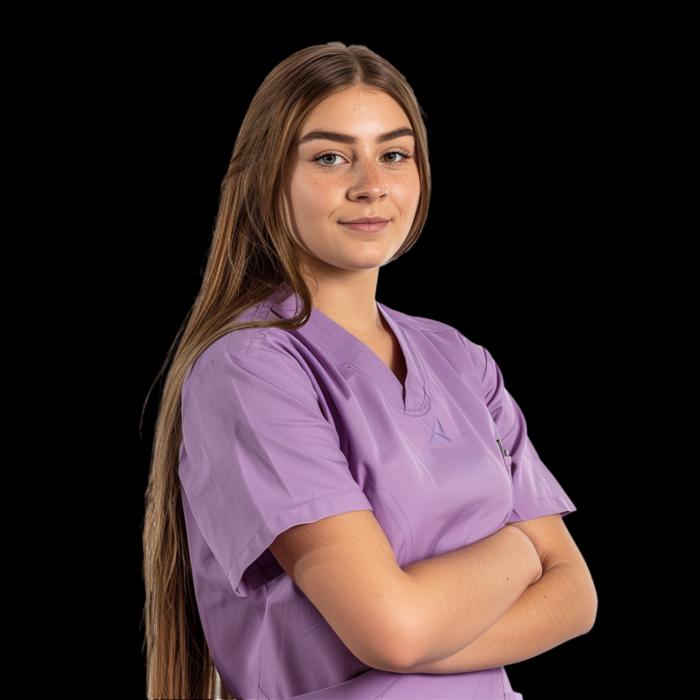
How to Become A Personal Care Worker
4 Courses






A Personal Care Worker helps people live well every day. Clients may be elderly, have a disability, or need support after illness. A Personal Care Worker is there to help with whatever they need. It is one of the most hands-on and human careers you can choose.
You assist clients with daily tasks like bathing, dressing, eating, and getting around. You follow care plans set by the health team. You keep an eye on how clients are going and report any changes. Some shifts involve helping with rehab exercises or sitting with someone who needs company.
Personal Care Workers are a key part of the health system. They work in aged care homes, hospitals, and community care. Some roles involve going directly into clients’ homes. The Certificate III in Individual Support (CHC33021) is what most workers complete to get started. It takes 6 to 12 months full-time and is available at TAFE or online RTOs.
This career is growing fast. Over 110,000 people work in this field across Australia, with thousands of new jobs added each year (Jobs and Skills Australia, 2025). If you want a job where you make a real difference every single day, this is it.


Career Outlook for Personal Care Worker
Personal Care Workers have great job security in Australia right now. There are 110,400 workers in this field, and the sector added 3,600 jobs in the past year (Jobs and Skills Australia, 2025). The median age of workers is 40, and around 52% work part-time. This makes it easy to fit the work around study, family, or other commitments.
Full-time workers earn a median of $1,612 a week (ABS, May 2025). The workforce is 74% female, though men are increasingly entering the sector. Community and Personal Service Workers saw 3.7% employment growth in the past year. This was the highest of any major occupation group in Australia (Your Career, 2025). Growth of 8.8% is forecast by May 2029. Aged care is a national priority and demand is only going up.
There are clear pathways to move ahead. Start with a Certificate III, build experience, then study a Certificate IV in Ageing Support for senior roles. If you like the clinical side, many workers move into nursing or allied health. The skills you build as a Personal Care Worker are valued across the whole health and care sector.
About the author

Laura Atkinson is an Account Management and SEM specialist at Course Finder Group with six years' experience in the Australian education sector. She works day to day with universities, TAFEs and independent training providers, which gives her a close view of how courses map to real career outcomes. She writes practical guidance on career pathways, choosing the right qualification and what to expect when moving into a new field.