How to Become An Animal Breeder



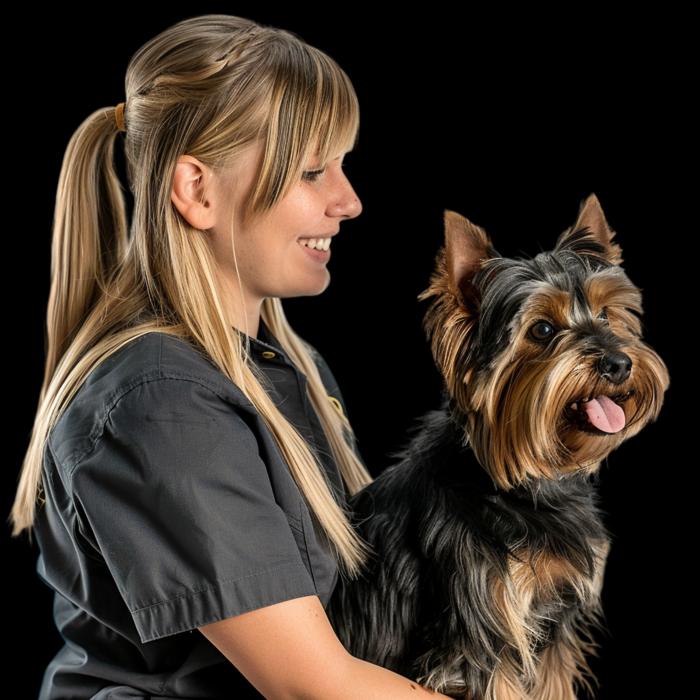
An animal breeder selects and pairs animals to produce offspring with the traits they want. It is a hands-on career with a strong science base. You will work with genetics, animal care, and breeding every day.
Breeders work with many species, including dogs, horses, cattle, and poultry. Each species has its own standards, health needs, and breeding rules. You choose your focus area based on your interests and the local market.
Day-to-day tasks include feeding and health checks, managing breeding schedules, and keeping detailed records. You will also spend time teaching buyers and attending shows. Building a strong network of vets, clients, and fellow breeders helps you grow your operation.
If you love animals and enjoy mixing science with hands-on care, animal breeding is a great choice. It lets you make a real impact on the animals you raise and the people who care for them.

Career Outlook for Animal Breeder
Animal breeding in Australia sits within the broader livestock and animal care industry. Breeders work across livestock farming, pet breeding, and horse sectors. Most work full-time, though around 26% of roles in the Livestock Farmers group are part-time (Jobs and Skills Australia, 2025).
The Livestock Farmers group (ANZSCO 1213) employs around 72,400 people in Australia (Jobs and Skills Australia, 2025). The median age is 60, showing that experience is highly valued. While the broader farming sector has seen some mergers, pet and niche breed markets continue to grow.
Future demand will be shaped by genetics research, ethical breeding trends, and rising pet ownership rates. Breeders who apply current science and meet welfare rules are best placed for long-term success. Staying up to date with breeding tools and industry rules will give you an edge in this field.
About the author

Laura Atkinson is an Account Management and SEM specialist at Course Finder Group with six years' experience in the Australian education sector. She works day to day with universities, TAFEs and independent training providers, which gives her a close view of how courses map to real career outcomes. She writes practical guidance on career pathways, choosing the right qualification and what to expect when moving into a new field.