How to Become An Assistant Dog Groomer
6 Courses
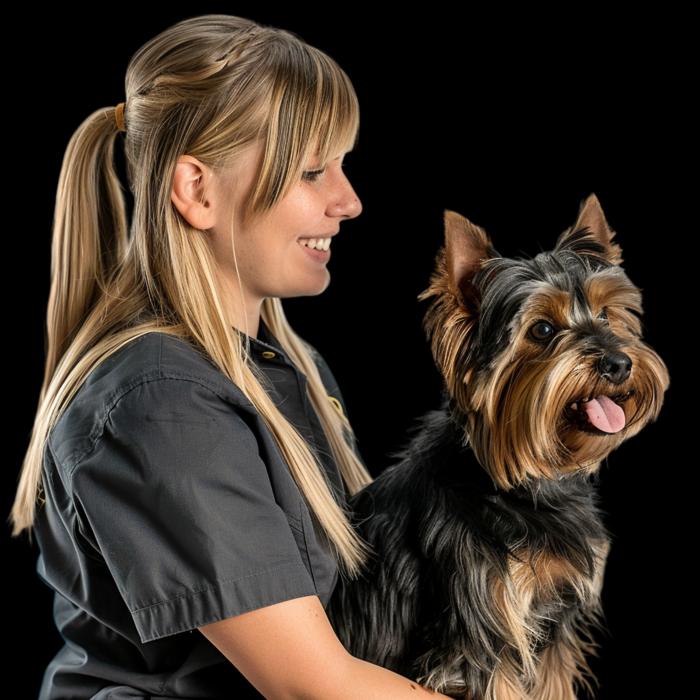



An Assistant Dog Groomer helps professional groomers look after dogs in pet salons, mobile grooming vans, and vet clinics. It is a great entry-level role if you love animals and want to build a career in pet care.
Your day involves bathing and drying dogs, brushing out coats, trimming nails, and cleaning ears. You also prep tools and keep the area tidy. Watch for signs that a dog is stressed or unwell and let the lead groomer know.
You will also talk with pet owners regularly. They will have questions about grooming styles, coat health, and aftercare. Being clear and friendly in these talks helps clients feel at ease and builds the salon’s name.
This role is the perfect starting point for a grooming career. With experience and the Certificate III in Animal Care Services (ACM30122), you can become a qualified groomer. Some go on to run their own salon.


Career Outlook for Assistant Dog Groomer
The outlook for Assistant Dog Groomers in Australia is positive. Australia has one of the highest rates of pet ownership in the world, with around 6.9 million pet dogs in homes nationwide (Animal Medicines Australia, 2022). As more Australians own pets, demand for professional grooming keeps growing.
Assistant groomers typically work between 20 and 40 hours per week. Full-time, part-time, and casual roles are all common. Entry-level pay is around $25 to $27 per hour (SEEK, 2026), giving a full-time annual salary of about $49,000 to $53,000. Pay rises with experience and formal study.
Career growth in this field is steady. The Certificate III in Animal Care Services (ACM30122) opens the door to qualified groomer roles and senior positions. Some graduates launch mobile grooming businesses or their own salons. It is a practical career with clear steps forward for those who invest in their skills.
About the author

Laura Atkinson is an Account Management and SEM specialist at Course Finder Group with six years' experience in the Australian education sector. She works day to day with universities, TAFEs and independent training providers, which gives her a close view of how courses map to real career outcomes. She writes practical guidance on career pathways, choosing the right qualification and what to expect when moving into a new field.