Manufacturing Courses
43 Courses
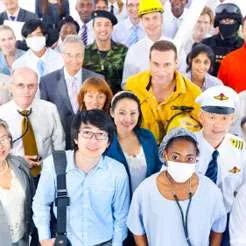
Thinking about a career in manufacturing? Australia’s manufacturing industry makes everything from food and drinks to machinery, medicines and building materials, and it is one of the country’s biggest employers. As of February 2026, around 868,100 people work in the sector nationally.
Food and drink production leads the way, reflecting Australia’s strong farming base. Machinery, metal and chemical manufacturing show off the country’s engineering skills. This mix means there is no single path into the industry, and plenty of room to find a niche that suits you.
Manufacturing also pays well from the start, with median earnings across the industry sitting around $1,654 a week, according to Jobs and Skills Australia. If you are weighing up your options after school, entry-level study starts with a Certificate II or Certificate III. These give you practical skills without needing years of prior experience.
Whether you stay on the factory floor or move into management later, manufacturing gives you plenty of ways to build a solid career.
FAQs
What is a manufacturing course?
A manufacturing course teaches practical, job-ready skills for working in factories, plants and production sites. You will learn to run machinery safely, follow workplace rules and help improve production.
Is manufacturing a good career in Australia?
Yes. Manufacturing plays a big role in Australia’s economy, especially in food, medical and advanced materials production, and demand for skilled workers stays strong. You can check the latest outlook at Your Career.
Do I need experience to start a manufacturing course?
Not at all. Entry-level courses at Certificate II level are built for beginners, giving you hands-on skills and safety training to help you start work quickly.
What kind of jobs can I get after studying manufacturing?
You could work as a machine operator, assembler, production assistant or quality control worker. With more experience, many people move into supervisor or shift manager roles.
Can I study manufacturing online?
Some theory can be done online, but because manufacturing is hands-on, most courses include in-person practical training. Check individual course listings for delivery details.